




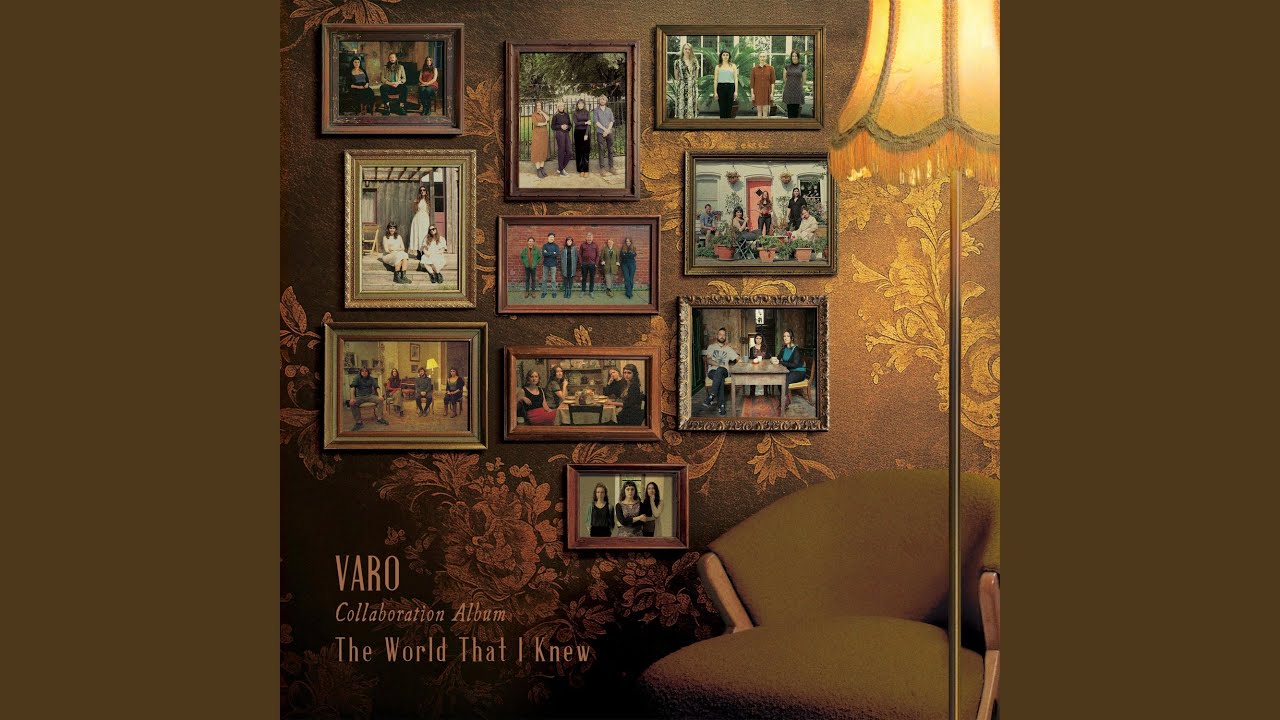
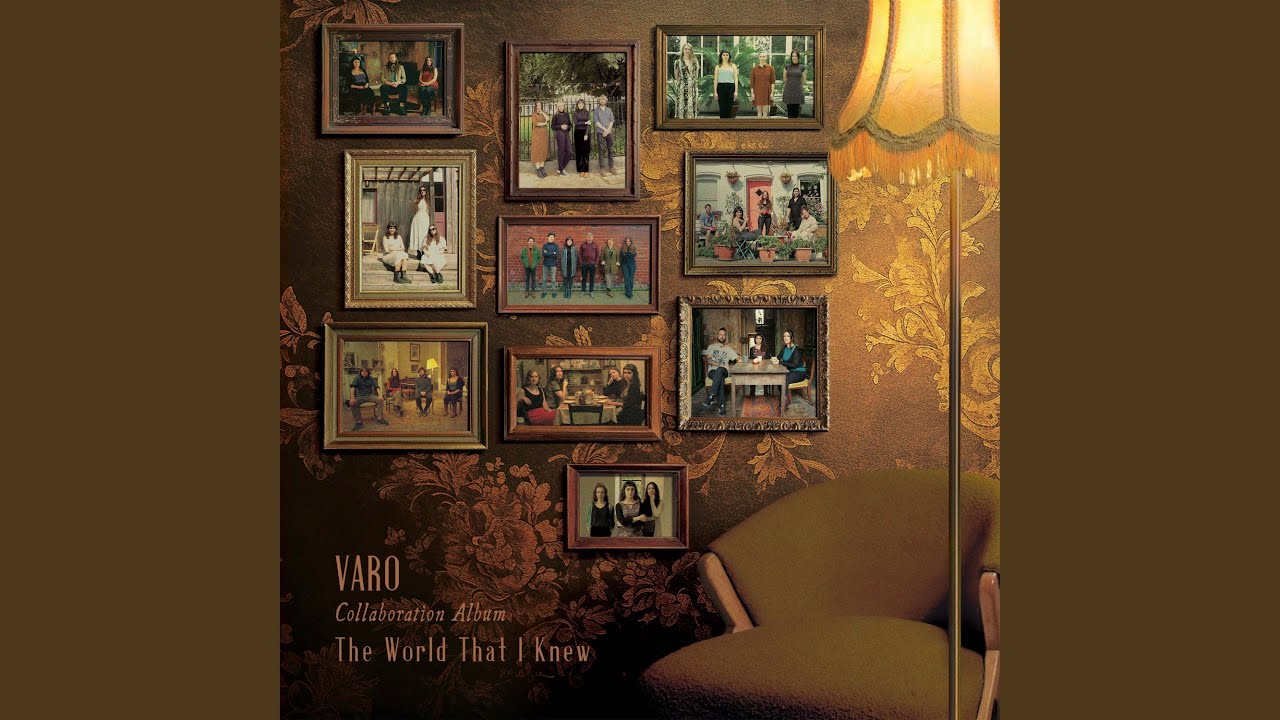
The Dublin duo of Lucie Azconaga and Consuelo Nerea Breschi aka Varo released an album this past May featuring a huge cast of their friends and contemporaries in Irish folk and traditional music.
VARO‘s The World That I Knew was five years in the making and features the likes of Ian Lynch (Lankum), John Francis Flynn, Anna Mieke, Alannah Thornburgh, Junior Brother, Slow Moving Clouds, Niamh Bury, Inni-K, Ruth Clinton and Cormac MacDiarmada (Poor Creature), Lemoncello and Branwen.
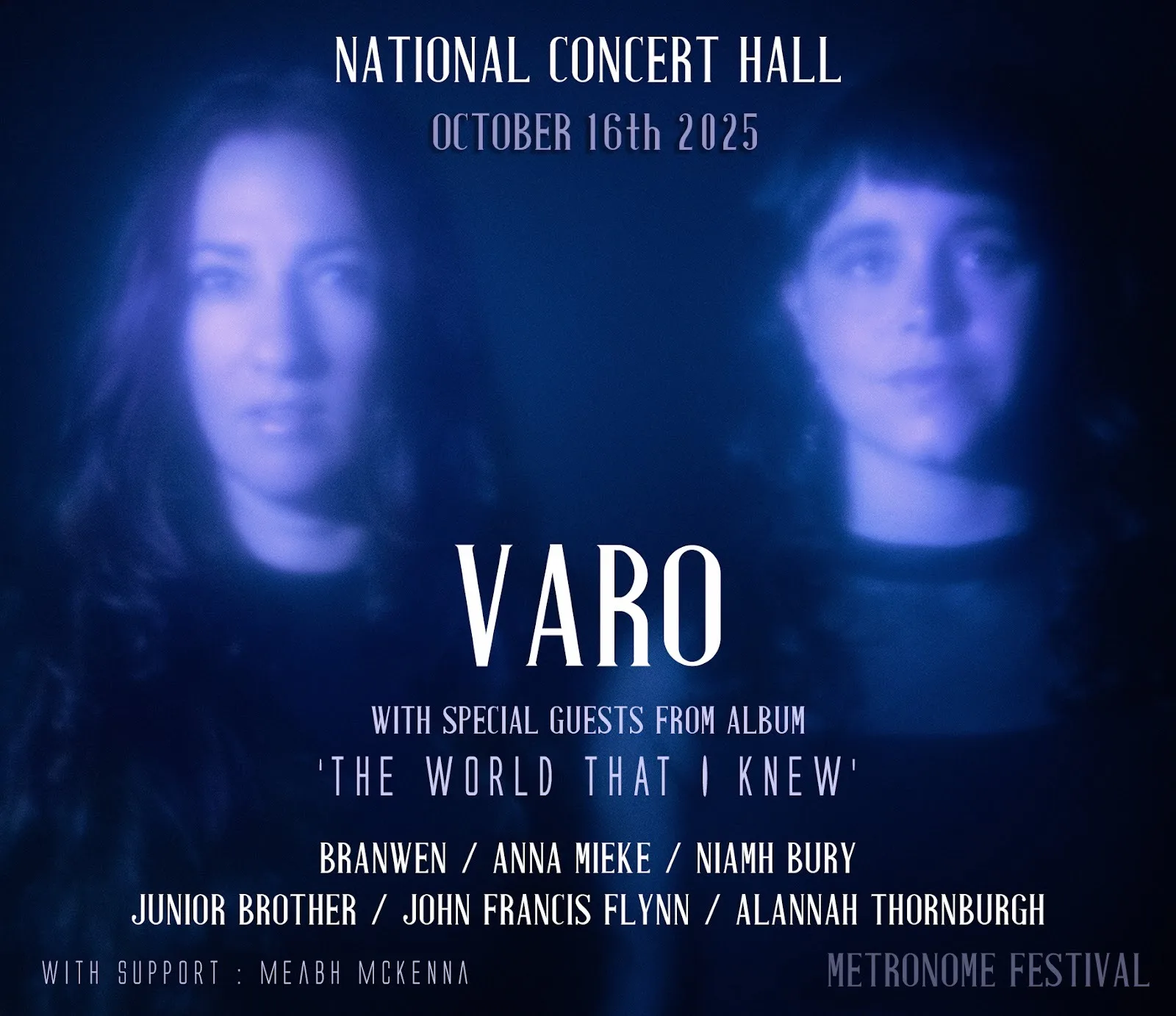
Next week, the VARO duo and many of these guests will perform The World That I Knew at the National Concert Hall on Thursday October 16th, with guests confirmed including Junior Brother, John Francis Flynn, Branwen, Niamh Bury, Alannah Thornburgh (ALFI), Anna Mieke, with support from Méabh McKenna
and more.
So there’s no better time to revisit the record ahead of the big gig, in Lucie and Consuelo’s own words…
1) Lovers and Friends with Ruth Clinton and Cormac MacDiarmada (Poor Creature)
We first learned this song from a 2003 recording of Dublin singer Jerry O’Reilly. It’s a very powerful song that deeply resonates with our beliefs. Its words, the melody, the whole message, all shake us to our guts. It makes one reflect on humanity and the importance of resisting a system that legislates our existences while reminding us that there’s more power in social interactions ‘than you’ll find in statute or sermon’.
In order to express the power of those lyrics, there wouldn’t be better words than this quote from the man himself, Sean Mone, sharing with us why he wrote it:
♡ Nialler9 is independent and reader-supported. Support us on Patreon →
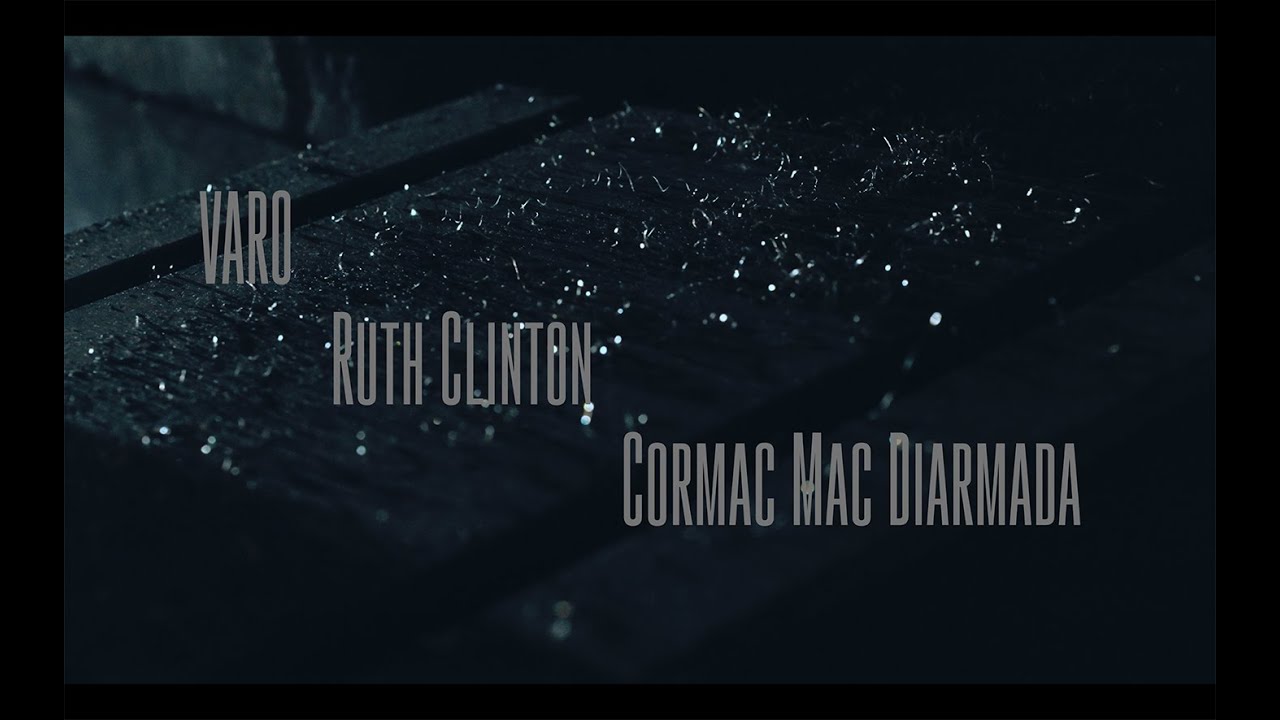
‘It was prompted by frustration at the refusal of politicians to talk to each other while the dogs in the street knew they were jockeying for their own advantage if the courageous efforts of others failed. Despite all this darkness, humanity did show resilience in its refusal to kneel before the self-proclaimed messiahs. Friendship and contact is our greatest weapon in times of need.’
2) Red Robin with Alannah Thornburgh
We learned this song from a 1977 recording of Mikey Kelleher (1907-1987), found in an online collection of songs from County Clare.
We immediately fell in love with the melody and lyrics of this song, which describes a state of mind rather than a real story. It seemed to paint a paysage of nostalgia, memories and loneliness while at the same time expressing extreme human warmth and connection with the elements of nature.
The red robin, through many centuries and cultures, has been deeply rooted in rich symbolism. For some, seeing a red robin is a symbol of rebirth, the beginning of Spring after a harsh Winter, the coming of a new chapter in life after a difficult moment. Others believe that the visit of a red robin represents a messenger for lost loved ones: ‘When robins appear, loved ones are near’.
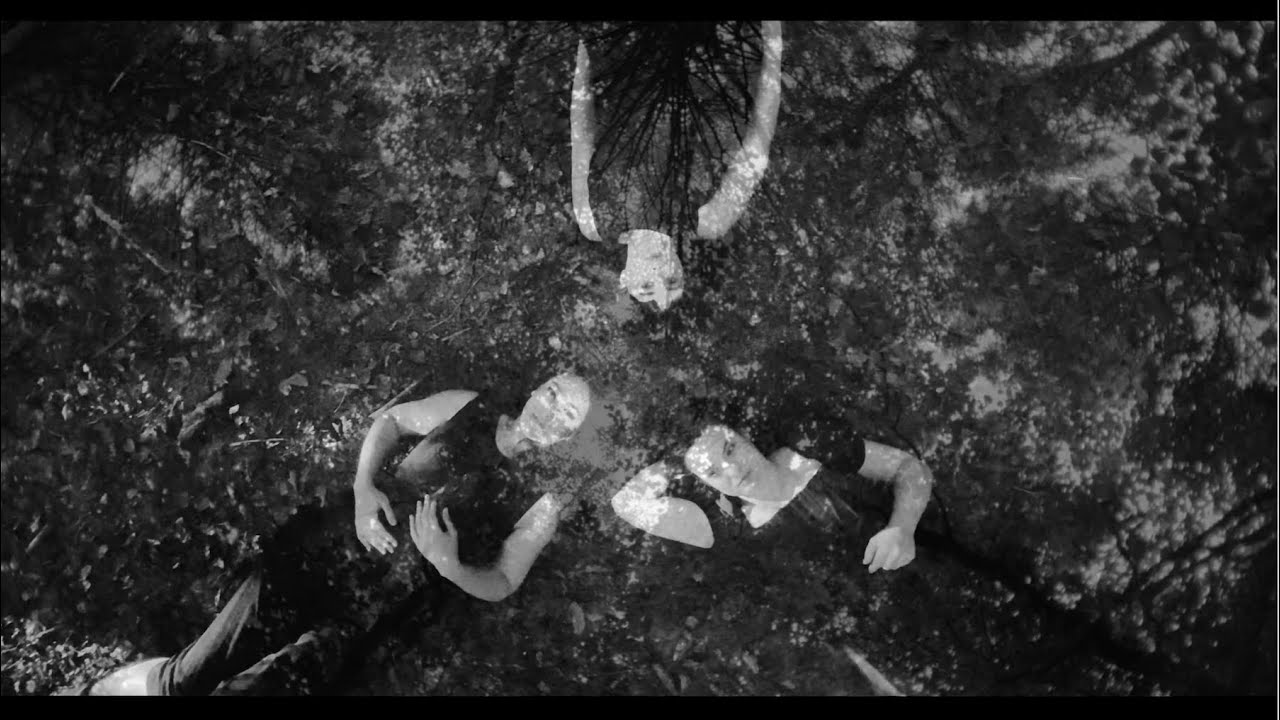
3) Heather on the Moor with Inni-K
We first heard this song through the singing of Paul Brady from the classic recording ‘The Gathering’ (1981). It’s one of the many love songs that carry a bittersweet twist. A fleeting encounter, a story that might have been but vanishes just as fast as the spark that ignited it.
4) Green Grows the Laurel with John Francis Flynn
We first heard this beautiful and sorrowful love song from Dolores Keane & John Faulkner’ recording Sail Óg Rua’(1983). The condition in which the woman is left, as in countless other traditional love songs, is miserable. The lyrics lay bare this harsh reality of painful acceptance, lending the song a dramatic intensity.
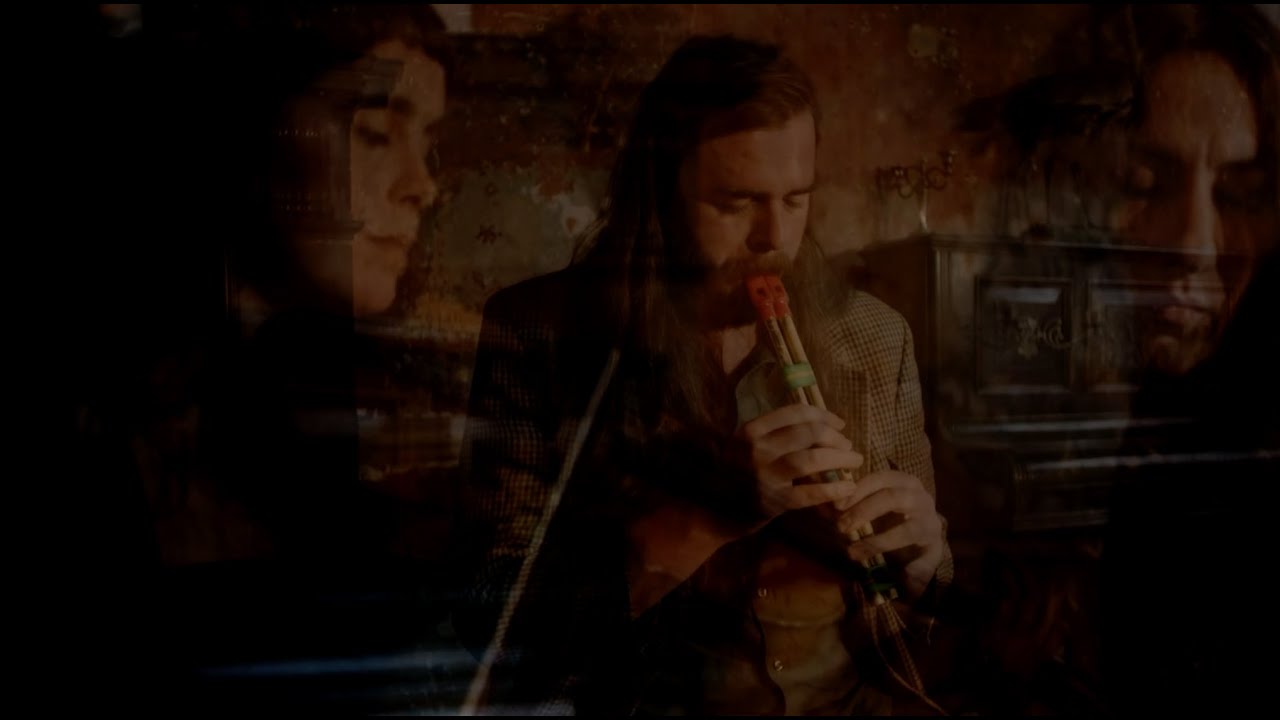
5) Open the Door with Anna Mieke
This song feels like an invitation to pause and listen to what nature has to tell us, the secrets it holds, what it can teach us and the echoes of both sorrow and joy.
We found these lyrics quite unusual and intriguing, very much open to interpretation. For us, this song has a spiritual and mystical tone in its call to connect with nature on an ethereal level, as well as a direct message urging us to get outside and to listen closely to what it has to tell us, in a moment where world leaders are pushing us towards climate disasters and the destruction of our ecosystems.
We first heard this song from singer and flute player Christine Dowling, based in Belfast. It was written by 19th century Irish playwright, Dion Boucicault, with music adapted from a traditional tune by Herbert Hughes.
6) Work Life Out to Keep Life in with Niamh Bury
This song, suggested by Niamh Bury, is a hymn to working class people. During the years of lockdown, the ones the whole world started calling ‘essential workers’ were praised with consideration and gratitude. An appreciation greatly deserved which shouldn’t have been temporary. Sadly, just like before 2020, the ‘essential workers’ are once again disregarded and neglected by the system, in societies that couldn’t function without them. Originally a bothy ballad from Scotland, it was revisited by Martin Carthy who wrote an additional verse.
7) Let No Man Steal Your Thyme with Lemoncello
A classic folk song we learnt from the singing of Anne Briggs, in which young women are warned to be aware of the dangers of false lovers. Another theme that never gets old.
8) Skibbereen with Junior Brother
In this moving 19th century song, brought to the project by Junior Brother, a father tells his son about the traumatic event of being evicted from his native land during the Great Hunger, and the tragic events that followed.
Different times, different contexts, but even during the madness that was the lockdown, evictions were still shamefully carried out on a regular basis.
9) Sweet Liberty with Ian Lynch (Lankum)
This incredible, radical song was written in the 1800s by Irish poet and weaver, John Shiel.
When Ian suggested it for this project, we loved it straight away. It carries a powerful anti racist message and a call to unite all people against the oppressor. There is, though, a strong bitterness in knowing that such a song was written 200 years ago and still, the need for these words to be sung and repeated today is depressingly vivid.
‘If man is just it’s not to me his colour or his clan sir
The earth is all one family, from Adam all began sir
But he who puts oppression down, well that’s the man for me sir
And I care not whether black nor brown, his church or country sir’
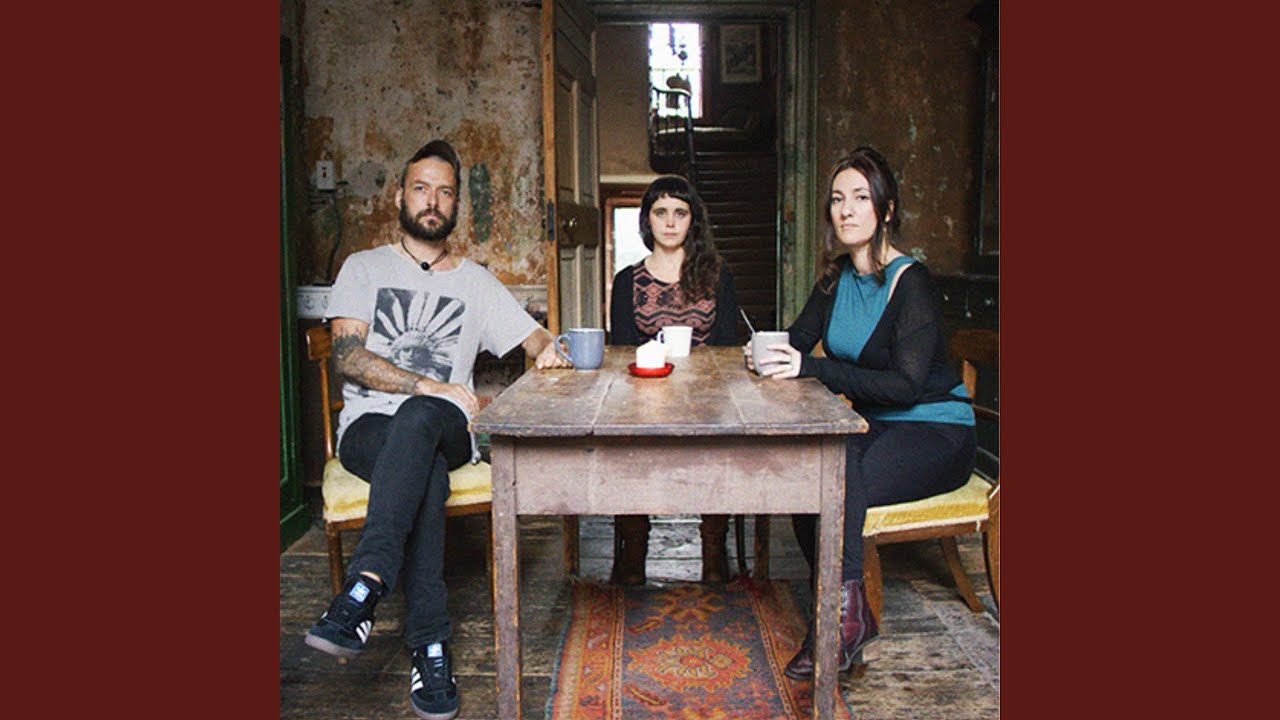
10) Alone with Branwen and Slow Moving Clouds
When we started working on this project, singer and researcher Alan Woods suggested this song to us. Written by Ewan MacColl, we heard it sung by Peggy Seeger on the record ‘The World Of Ewan MacColl and Peggy Seeger Vol.2 – Songs From Radio Ballads’(1972). This song leaves a lot of room for interpretation.
Some say the narrator is singing from the dead, roaming alone in a world that isn’t the one he used to know.
Some hear in this song an ode to solitude, helplessly facing changes either around them or in their own body, awkwardness, the loss of people, struggles of mental health. When 2020 transformed our lives for almost two years, this song was expressing vibrantly the reality in which we were thrown, having lost all our bearings, wandering alone looking for a world that
seemed to be gone.
VARO perform The World That I Knew at the National Concert Hall on Thursday October 16th.

Niall Byrne is the founder of the most-influential Irish music site Nialler9, where he has been writing about music since 2005. He is the co-host of the Nialler9 Podcast and has written for the Irish Times, Irish Independent, Sunday Times, Totally Dublin, Cara Magazine, Red Bull and more. Niall is a DJ, co-founder of Lumo Club, event curator, Indie Sleaze club promoter, and producer of gigs and monthly listening parties & events in Dublin.