


Artist and activist Kate Nash has released a music video of her cover of Sinéad O’Connor’s ‘Famine’, and Nialler9 has the first look.
It’s her first new music since last year’s trans ally viral anthem ‘GERM’ – and it arrives at a moment when Nash is arguably more visible, and more politically active, than at any point since Foundations made her a household name in 2007.
OK I want to talk about Ireland
Specifically, I want to talk about the famine
About the fact that there never really was one
There was no famine.
Sinéad O’Connor
Famine
The choice of song is deliberate and personal. Nash holds dual English and Irish nationality – born in North Harrow to an Irish family – and has been open about the fact that she was never educated about the Irish Famine or “An Górta Mór”, the Big Hunger, either at school or within her family.
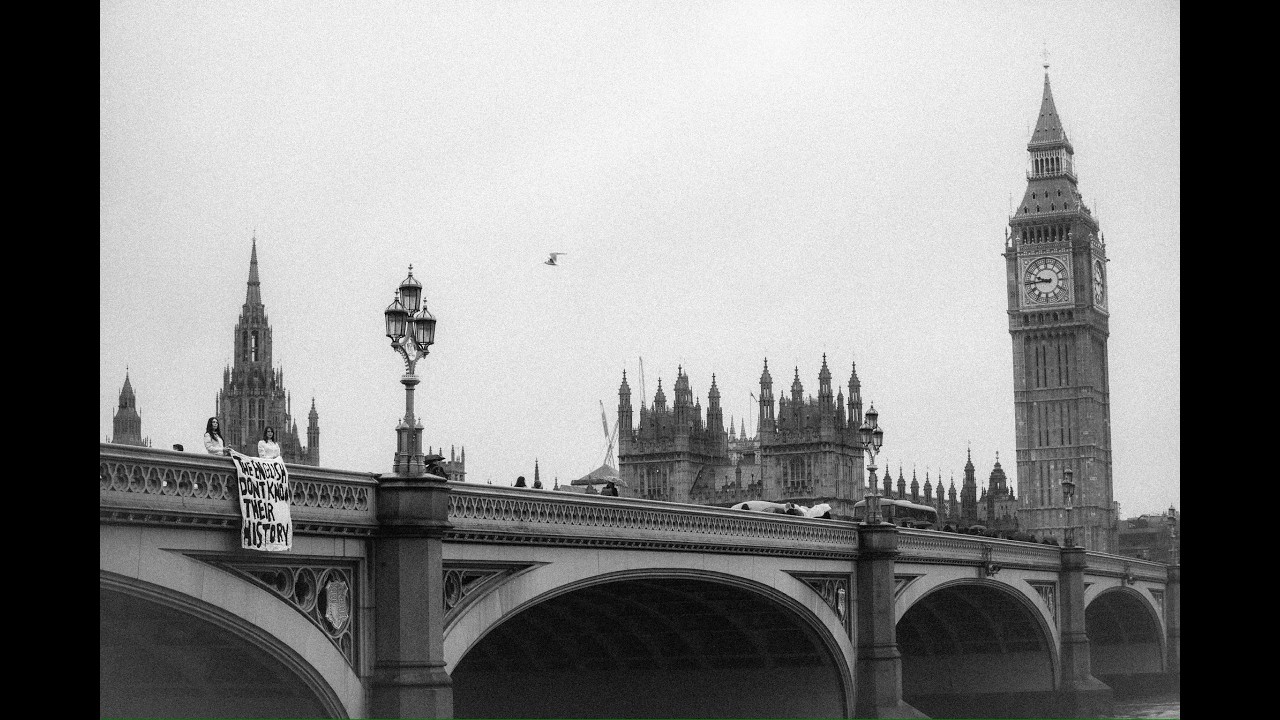
Watch the video for ‘Famine’ co-directed by Nash, shot by Jude Harrison and edited by Harrison and Ryan Baxley. For the video Kate collaborated again with artist and activist Tia O’Donnell, who embroidered the phrase “The English Don’t Know Their History” onto a duvet, later hung outside Parliament and other locations.
Sinead O’Connor’s song underscores the deliberate ignorance and obfuscation of the truth about why over one million Irish people died from from 1845 to 1852 – the food was abundant but controlled by the British and exported elsewhere – with the Irish left to feed on potato scraps.
Coming at it from the dual citizenship angle, Nash can speak to both British and Irish identity in covering the Sinead O’Connor track, and plays the tin whistle on the song honouring her Irish heritage further, while the song’s message that many of us lack a full understanding of our own countries’ histories, is a reminder that any citizen of any country can take from the song.
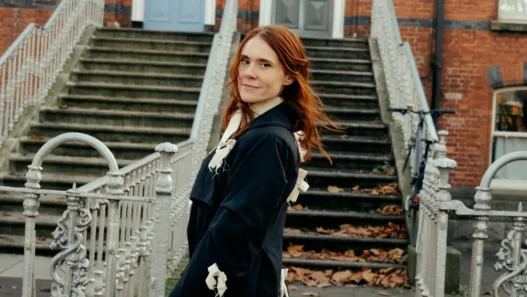
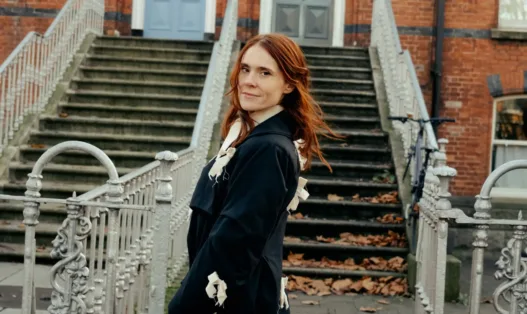
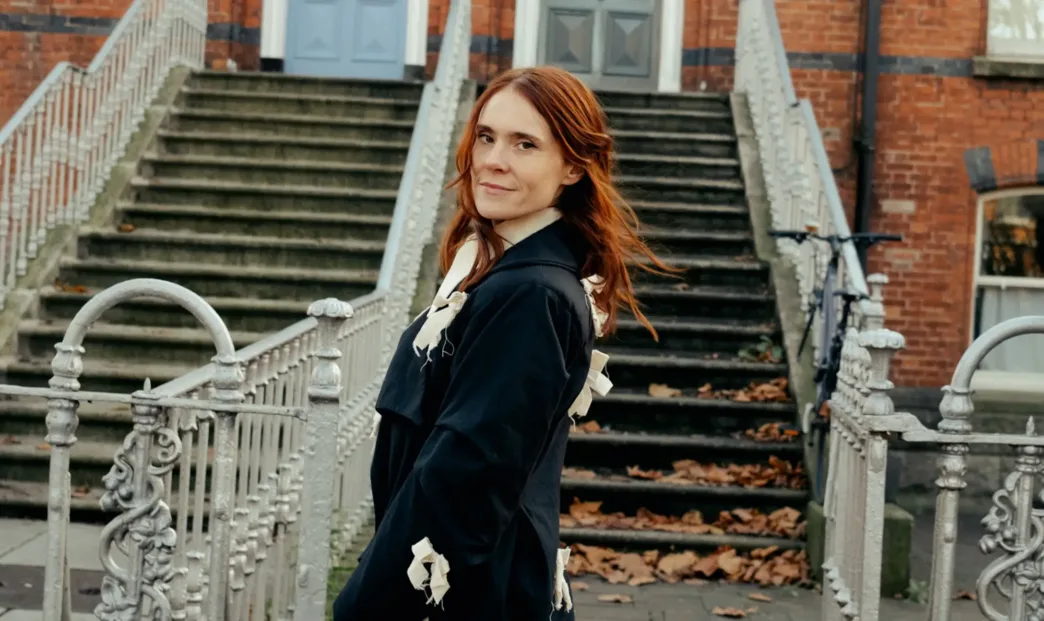
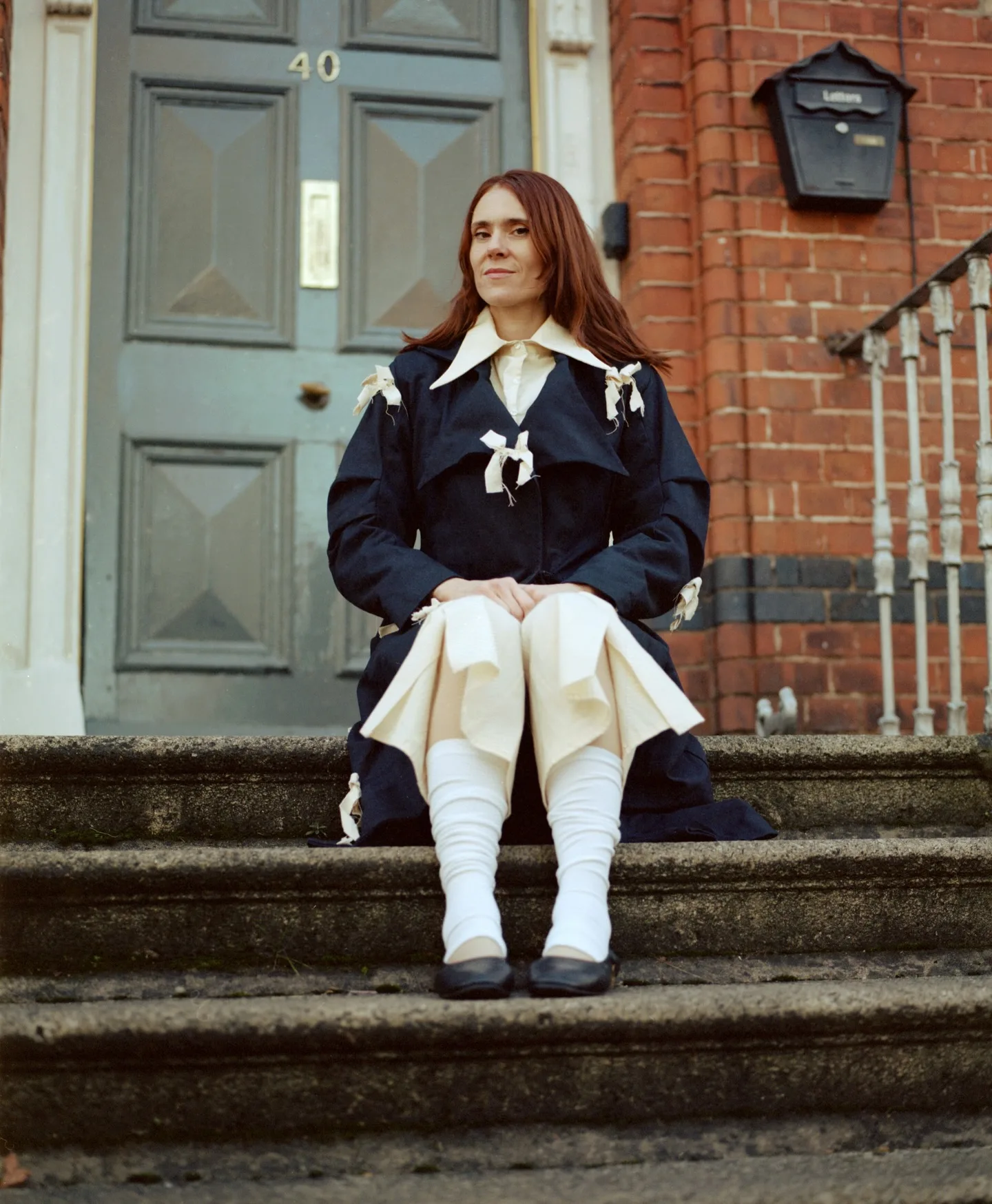
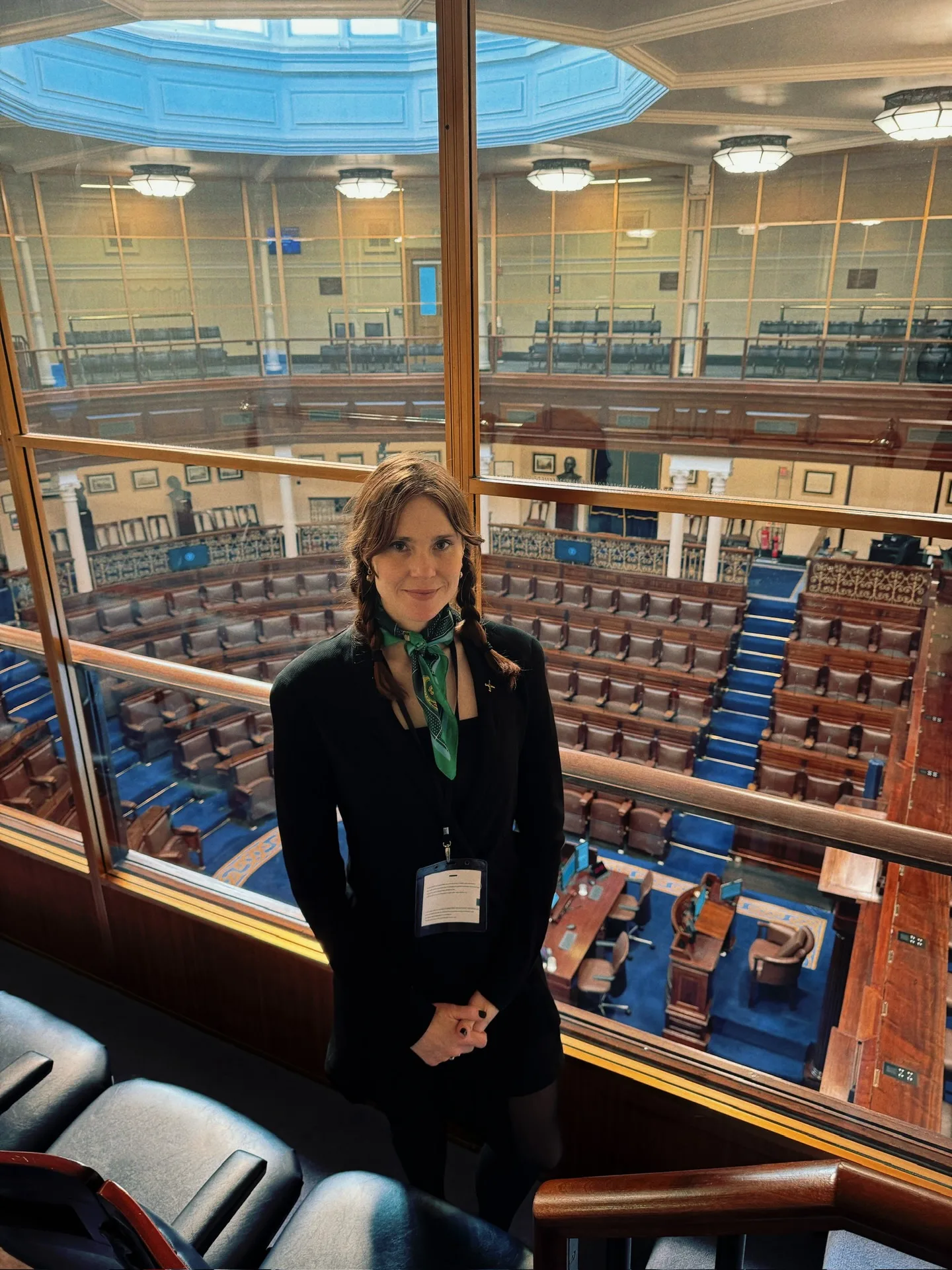
The song was teased with this Instagram clip last week, and this past December, Nash was invited to Leinster House, home of Dáil Éireann, the Irish parliament. Nash spent her summers in Ireland she said recently, and the recent portrait in Stoneybatter by Ellius Grace, recreates a family photo from the ’70s.
In her own words: “There is a well-known saying: ‘The English were never taught their history; the Irish never forget theirs.’ I believe this absence of education creates a gap in understanding and connection between English and Irish people.”
“I was inspired by the phrase:’ The English can’t remember history, while the Irish can’t forget it.’ I hold dual nationality and was never educated about An Gorta Mór, either at school or within my family. I believe this absence of education creates a gap in understanding and connection between English and Irish people. A lack of knowledge can lead to people feeling misunderstood, disrespected, or humiliated, which makes this a sensitive, important, and timely issue to address and pertinent to today and the conversation surrounding immigration, war and the growing rise in nationalism.
Sinéad O’Connor sang, ‘If there is ever going to be healing, there has to be remembering, then grieving, so that there can be forgiving, there has to be knowledge and understanding.’
I strongly agree that education is a crucial step towards peace. I would not be the artist I am today without Sinéad’s perspective, her bravery and sensitivity. My intention is to honour her voice and continue to spread her message. Adding my own verse felt like a necessary responsibility as I was born in England and grew up here. I believe England must acknowledge its actions and history in order for true healing, understanding and growth to take place. I play tin whistle on the track which was my first instrument and the tune I’m playing is one of the first songs I ever learnt at my Primary School. There’s a nice sort of symmetry for me in retracing my own personal musical history to cover a song about this pivotal historical moment between Ireland and England, my two nationalities.”
– Kate Nash
O’Connor’s ‘Famine’, from 1994’s Universal Mother, remains one of the most searching and unsparing pieces of music ever made about Irish history – a six-minute reckoning with colonialism, cultural erasure and the complicated relationship between the Irish and their own past. It’s a significant piece of material to take on, and the fact that Nash is doing so now, in the aftermath of Sinéad’s death and the renewed global conversation about her legacy, gives the cover added weight.
![Sinead O'Connor - Famine [Official HD Remaster]](https://nialler9.com/wp-content/cache/flying-press/1287cf4990020304f8e4879e992b605e.jpg)
It also fits a broader pattern in Nash’s current chapter. In February, she gave testimony before a UK parliamentary select committee, stating that she lost £26,000 on the European leg of her most recent tour and covered those losses only by selling content on OnlyFans.
Nash criticised major industry players for what she called a “destructive influence” on artists’ finances and warned that rising costs – including the complexities of post-Brexit touring – could limit both cultural reach and economic viability for UK performers.
That parliamentary appearance followed months of increasingly direct action. In conjunction with Save Our Scene, Nash travelled around London on a fire engine, visiting the offices of Live Nation and Spotify and the House of Commons as part of her Butts for Tour Buses campaign.
She performed at the launch of the Music Venue Trust’s annual report at the Houses of Parliament, where she described the situation as a “fucking disgrace” and made the point that if she – with her level of profile – couldn’t make touring work financially, then artists below that level had no chance at all.
She subsequently became a patron of the Music Venue Trust, saying: “I love grassroots venues. I wouldn’t have the career I have today without them.”
Nash is one of the more interesting figures in UK (and Irish?) music right now precisely because she refuses to separate the personal from the political, or the artistic from the structural. A cover of ‘Famine’, with its insistence on naming what happened and its demand for honesty about history, is entirely consistent with everything else she’s doing.
Kate Nash – Sinead O’Connor – Famine Lyrics
(Nash’s additions in bold)
OK I want to talk about Ireland
Specifically, I want to talk about the famine
About the fact that there never really was one
There was no famine.
See Irish people were only allowed to eat potatoes
All the other food meat, fish, vegetables were shipped out of the country under armed guard to England while Irish people starved
And then in the middle of all this they gave us money not to teach our children Irish and so we lost our history
And this is what I think is still hurting me
See we’re like a child that’s been battered
Has to drive itself out of its head because it’s frightened
Still feels all the painful feelings
But they lose contact with the memory
And this leads to massive self-destruction
Alcoholism, drug addiction
All desperate attempts at running
And in its worst form becomes actual killing
And if there is ever gonna be healing, there has to be remembering then grieving
So that there can be forgiving there has to be knowledge and understanding.
There was no famine, was no famine
There was no famine
American army regulation says you mustn’t kill more than 10% of a nation
Cause to do so causes permanent psychological damage, it’s not permanent but they
didn’t know that.
Anyway during the supposed famine we lost a lot more than 10% of our nation
Through deaths on land or ships of emigration
But what finally broke us was not starvation
But its use in the controlling of our education
Schools go on about black ‘47
On and on about the terrible famine
But what they don’t say is in the truth
There never really was one
Was no famine
There was no famine
There never really was one
England doesn’t take responsibility for destruction that it’s caused
For its empire and now commonwealth they left us uninformed
And we are lost like the reality of our history like decades of land we invade
Not just killing crushing culture
Taking away identity and heritage, tradition and music therefore love, confidence
and understanding about who you are and where you’re from and what you’re made of
It’s essential that we educate
There’s blood on hands and guilt at stake
England needs a hug
It’s backed itself into a corner like a scared dog
If we can learn the truth with compassion and understanding, we can move forward
and then we can learn not to pass on our trauma
And if there is ever gonna be healing there has to be remembering then grieving
So that there can be forgiving there has to be knowledge and understanding
And if there is ever gonna be healing there has to be remembering then grieving
So that there can be forgiving there has to be knowledge and understanding
There was no famine
The Big Hunger
It’s not called the great famine anymore
There was nothing great about it
It’s called an Gorta Mór
Which in English is translated as The Big Hunger
Niall Byrne is the founder of the most-influential Irish music site Nialler9, where he has been writing about music since 2005. He is the co-host of the Nialler9 Podcast and has written for the Irish Times, Irish Independent, Sunday Times, Totally Dublin, Cara Magazine, Red Bull and more. Niall is a DJ, co-founder of Lumo Club, event curator, Indie Sleaze club promoter, and producer of gigs and monthly listening parties & events in Dublin.