





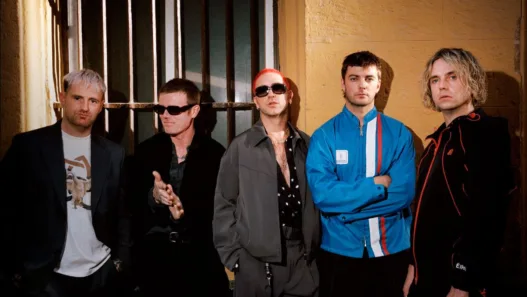



The affable Stone Roses and Primal Scream bassist passed away at the age of 63 from a seizure at home this week. RIP.
Gary “Mani” Mounfield was of a lineage of Manchester musicians with Irish roots, like the Gallaghers and The Smiths’ Johnny Marr.
Just like Marr’s parents, Mani’s mother’s hometown was Athy in Kildare and a plaque to Mani was erected in 2019.

It can’t be overstated how good of a bass player Mani was, how he conjured up so many iconic basslines with the Stone Roses, and later with Primal Scream – when his playing expanded with dub and electronic precision.
♡ Nialler9 is independent and reader-supported. Support us on Patreon →
Mani’s basslines arrived with a sense of a narrative, a weight of influence from Northern Soul and funk music – so full of character and imaginative that they write their own story, but always serve the song.
The selection of songs in this piece are obvious, but only because they are classic songs with undeniable singular basslines – that’s Mani’s influence – you can not imagine Stone Roses without John Squire’s virtuosic guitar playing, and the same goes for Mani – he was one of a kind.
Mani and drummer Reni were the Stone Roses’ potent rhythmic weapon, whose skill and wide-ranging influences ensured that the Roses were an indie rock band that swung like a dance act – acid house was booming, rap was in ascendence, sampling old funk and soul rhythms was in, Balearica was opening music minds to psychedelic grooves and baggy – the name for the Madchester bands who encapsulated that looseness was coined.
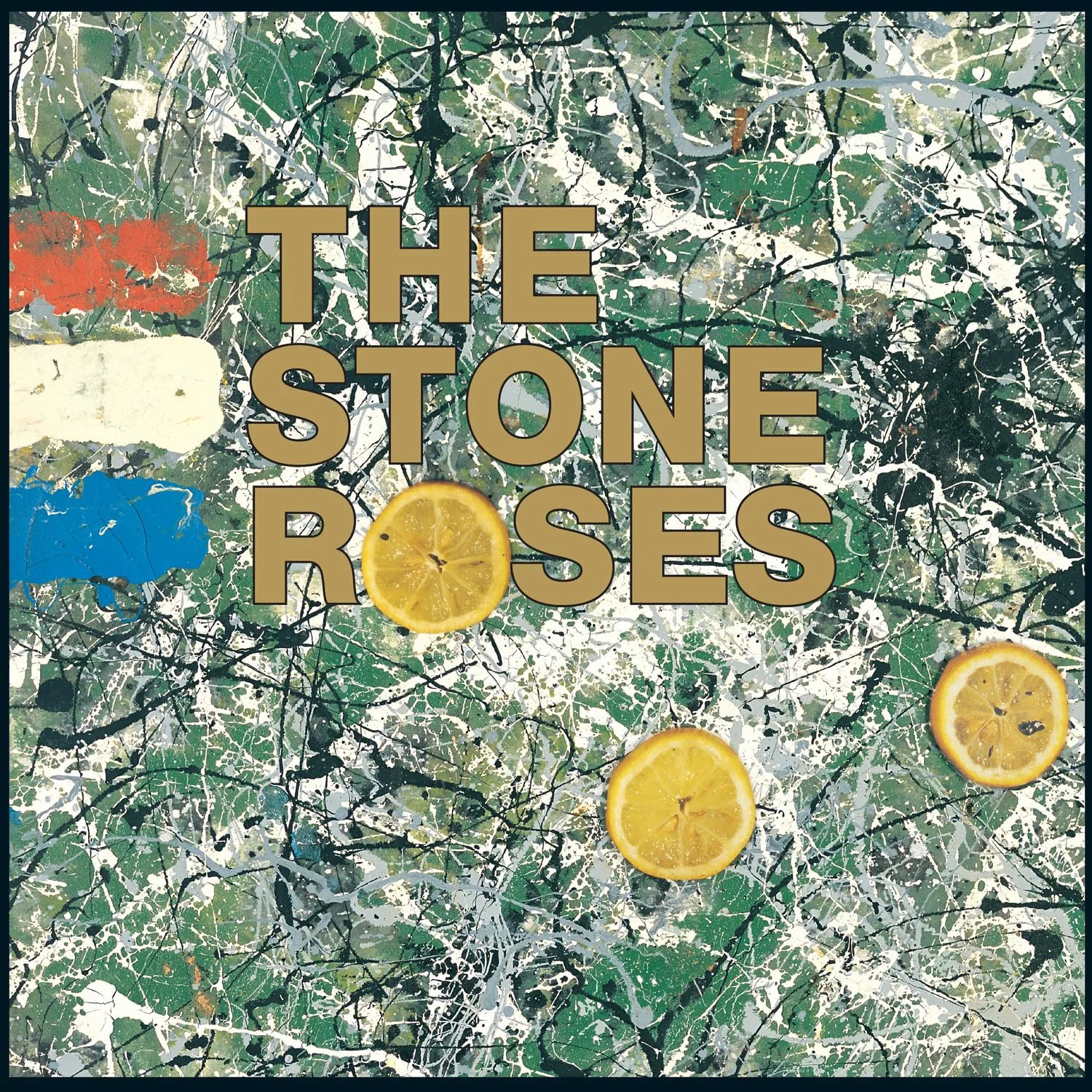
‘I Wanna Be Adored’ (1989)
The introduction of Mani’s bass on ‘I Wanna Be Adored’ is like a lumbering, creeping suspenseful beast over the horizon, as if it’s dragging the band out of bed and forcing the players from its slumber to break into a bright technicolour morning. One of rock’s definitive intro basslines.
‘Fools Gold’ (1989)
What separated the Stone Roses from their peers was their effortlessness and ease in slipping into a groove, and drummer Reni has a lot to do with that, alongside Mani’s insistent funk bass, which was directly inspired by Young MC’s ‘Know How’, taking inspiration from a rap record that sampled Isaac Hayes Shaft theme song, while Reni referenced ‘Hot Pants‘ by Bobby Byrd in his beats.
‘Waterfall’ (1989)
A subtle supporting offering, Mani’s bassline offers a cascading counterpoint to Squire’s guitar riff, jumping octaves and bringing warm contrasting colour to the mid-range distortion.
‘I Am The Resurrection’ (1989)
Recalling the soul bands of Motown and the funk of James Brown, Mani’s lines on one of the Roses’ biggest hits go walkabout around the track, supporting gently as great bass players too but also catching the ear regularly.
This is one of those basslines you could just listen to on its own isolated and it yes, it is truly engaging and recognisable.
‘She Bangs The Drums’ (1989)
Bass! How low can you go? Another legendary Mani bass intro.
‘Made Of Stone’ (1989)
![The Stone Roses - Made Of Stone 1989 [HQ Audio]](https://nialler9.com/wp-content/cache/flying-press/cff2fc11b3aa44582f8ce780b53cf1da.jpg)
There’s so much character and mystique in Mani’s bassline on ‘Made Of Stone’ it speaks to the drama that often his work feels like its referring to, a story told off air – he plays the instrument like a foreboding glance before the truth is revealed.
Vanishing Point (1997)
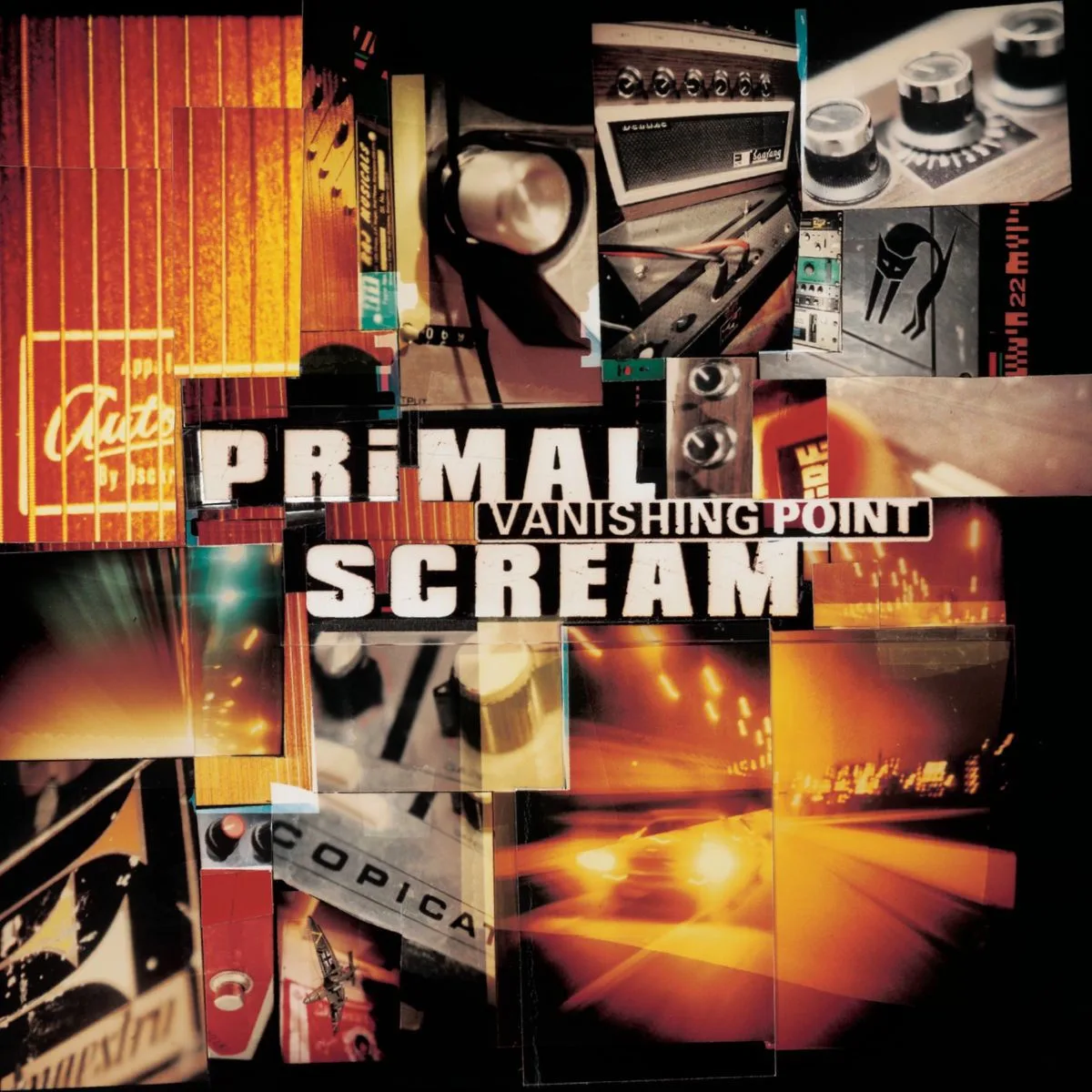
After the Stone Roses broke up, Mani found a new home playing with Scottish rockers Primal Scream, arriving in time to contribute to one of the band’s creative peaks across two albums – 1997’s Vanishing Point and 1999’s XTRMNTR.
Mani was clearly a musician with deep influences so Vanishing Point drawing from dub, ambient, psychedelia and an cult American action film of the same name was a natural fit to Mani and slotted right in – bringing a high-wire ’60s throwback feel to opener ‘Burning Wheel’, dub minimalism to ‘Stuka’, soft soul to ‘Star’ and ’70s psych to ‘Long Life’.
‘Kowalski’
The fat threatening bassline to the single ‘Kowalski’ is among his most foregrounded work – that octave jump after the verse is pure musical elevation.
XTRMNTR – Primal Scream (1999)
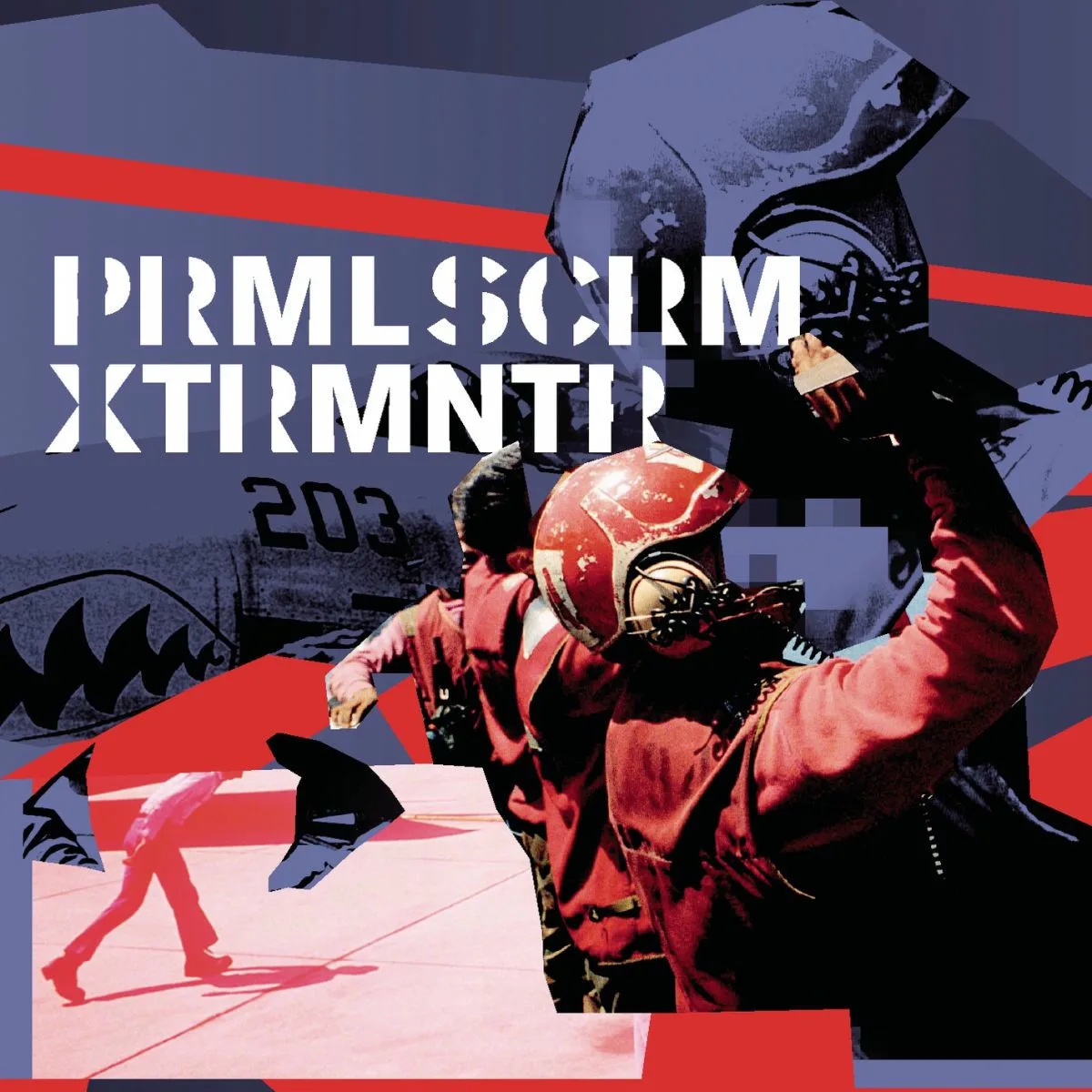
By the time, the Scream arrived at 1999’s XTRMNTR, the vibe shift of the music had peaked in the red aided by the addition of My Bloody Valentine’s Kevin Shields on guitar.
XTRMNTR is a maximalist caustic dance rock electro record that is fizzing at the seams with energy and ideas that manage to work. It sounds like a rock band trying to play Chemical Brothers songs which is as exhilarating as it sounds because it works.
The album is full of fat bass.
‘Accelerator’
‘Accelerator’ moves like a bass-heavy juggernaut about to explode out of its sonic seams.
‘Kill All Hippies’
‘Kill All Hippies’ has two interlocking basslines of note – Mani’s insistent jaw-dropper and the guitar fuzz counterpoint.
‘Exterminator’
The bass on ‘Exterminator’ is a raspy nightmare that underlines the dystopia that Bobby Gillespie and when it moves into that higher register it’s practically euphoric.

‘Swastika Eyes’
Peak stuff here. Sirens and bass line twists and turns. Adding to the brilliance is how Mani’s playing is leading of the rest of the track creating a palpable urgency. And yes, it got a Chemical Brothers remix.
‘Shoot Speed / Kill Light’
XTRNMTR‘s big crescendo is a showcase for Mani’s ability to create memorable emotional basslines before everything else falls into place.

Evil Heat (2002)
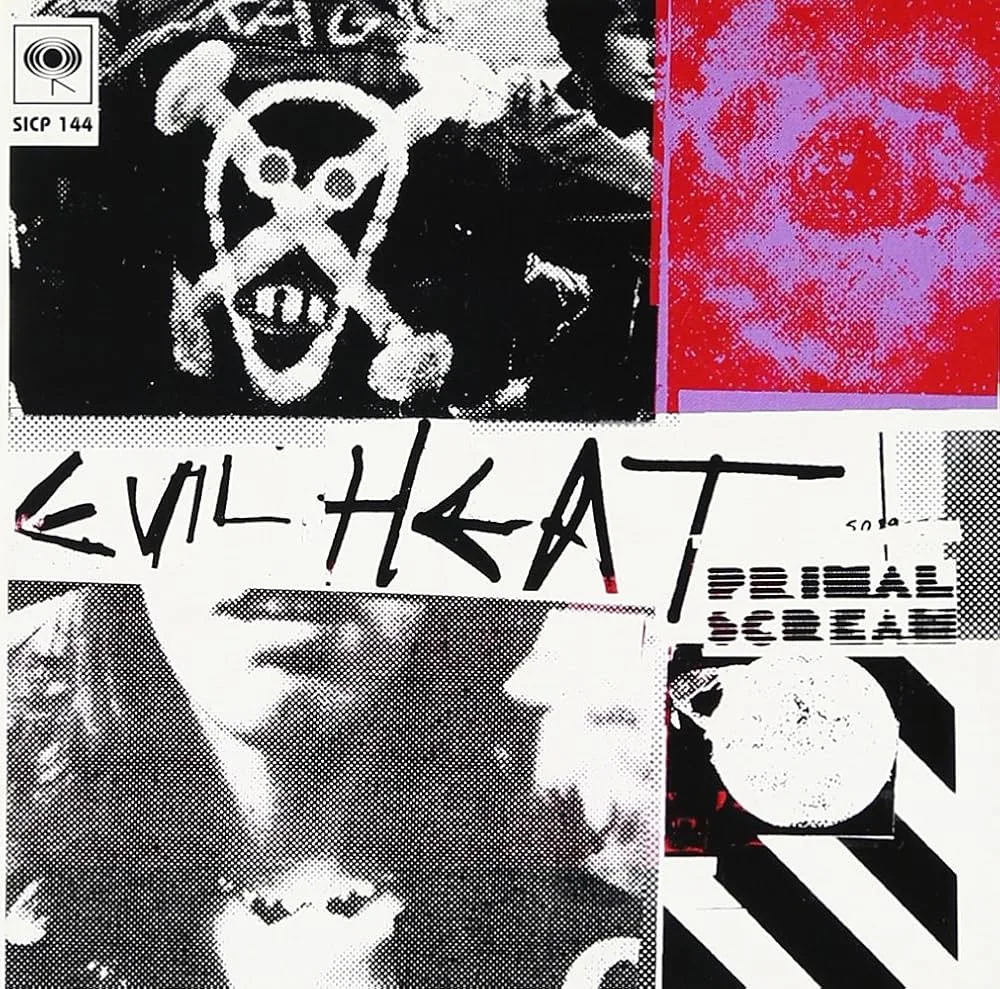
Mani played with Primal Scream until 2011 when the Roses reformed and he continued to provide singular lines through out their work. 2002’s Evil Heat had some of XTRMNTR’s dance and electro-style while taking it a sleazier looser direction.
‘Autobahn 66’
I particularly love this Kraftwerk-referencing dreamy krautrock song.
‘Some Velvet Morning’
Ditto the robotic low-end of ‘Some Velvet Morning’:
‘Love Spreads’ (1994)
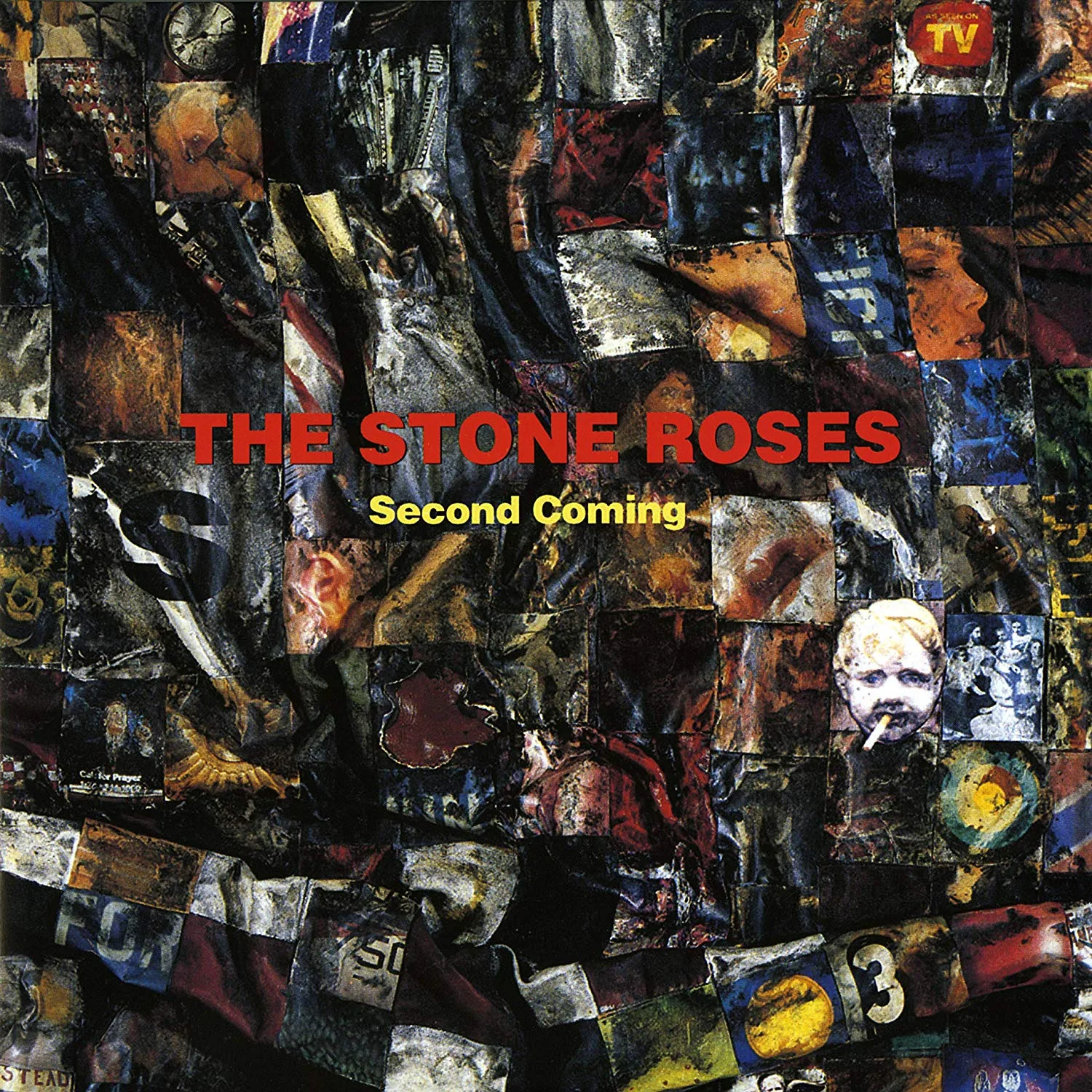
There’s an undeniable lack of pulsing grooving rhythms on the Stone Roses’ second album Second Coming as the band was overtaken by Squier’s swaddling hard rock and bluesy riffs that became the main focus on the record, meaning the heart and soul of what attracted people to them in the first place was largely stripped away.
There are flashes of it – ‘Daybreak’, ‘Straight To The Man’, ‘Begging You’ and ‘Good Times’ but the alchemy shifted away from the indie-dance shuffle.
‘Love Spreads’, Squire’s Led Zeppelin moment also let Mani loose on the bass, doing double tracking basslines to add the warmth and clarity to those razor-sharp onanistic riffs.
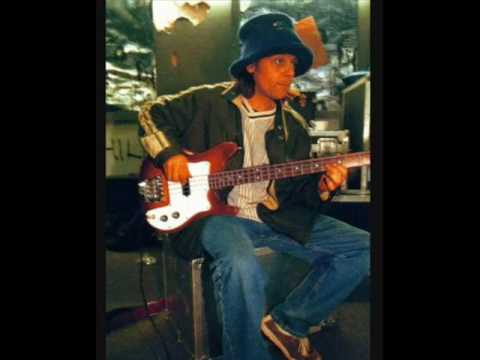
RIP Mani. Despite his huge legacy in the music, he might still have been the most unique and under-rated bass players going.

Niall Byrne is the founder of the most-influential Irish music site Nialler9, where he has been writing about music since 2005. He is the co-host of the Nialler9 Podcast and has written for the Irish Times, Irish Independent, Sunday Times, Totally Dublin, Cara Magazine, Red Bull and more. Niall is a DJ, co-founder of Lumo Club, event curator, Indie Sleaze club promoter, and producer of gigs and monthly listening parties & events in Dublin.






Sorry to be the one but Mani didn’t join the Roses until 1987, and Marco Nelson played bass on If They Move, Kill ‘Em. Great list otherwise.