

We gathered to listen through one of the most singular debut albums ever made. Here’s the chat.
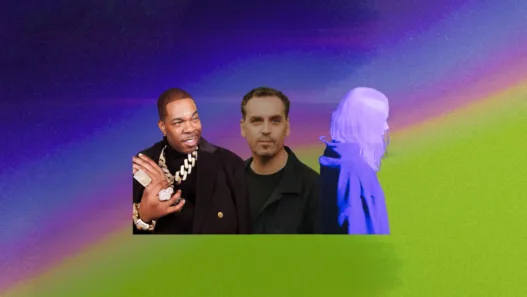
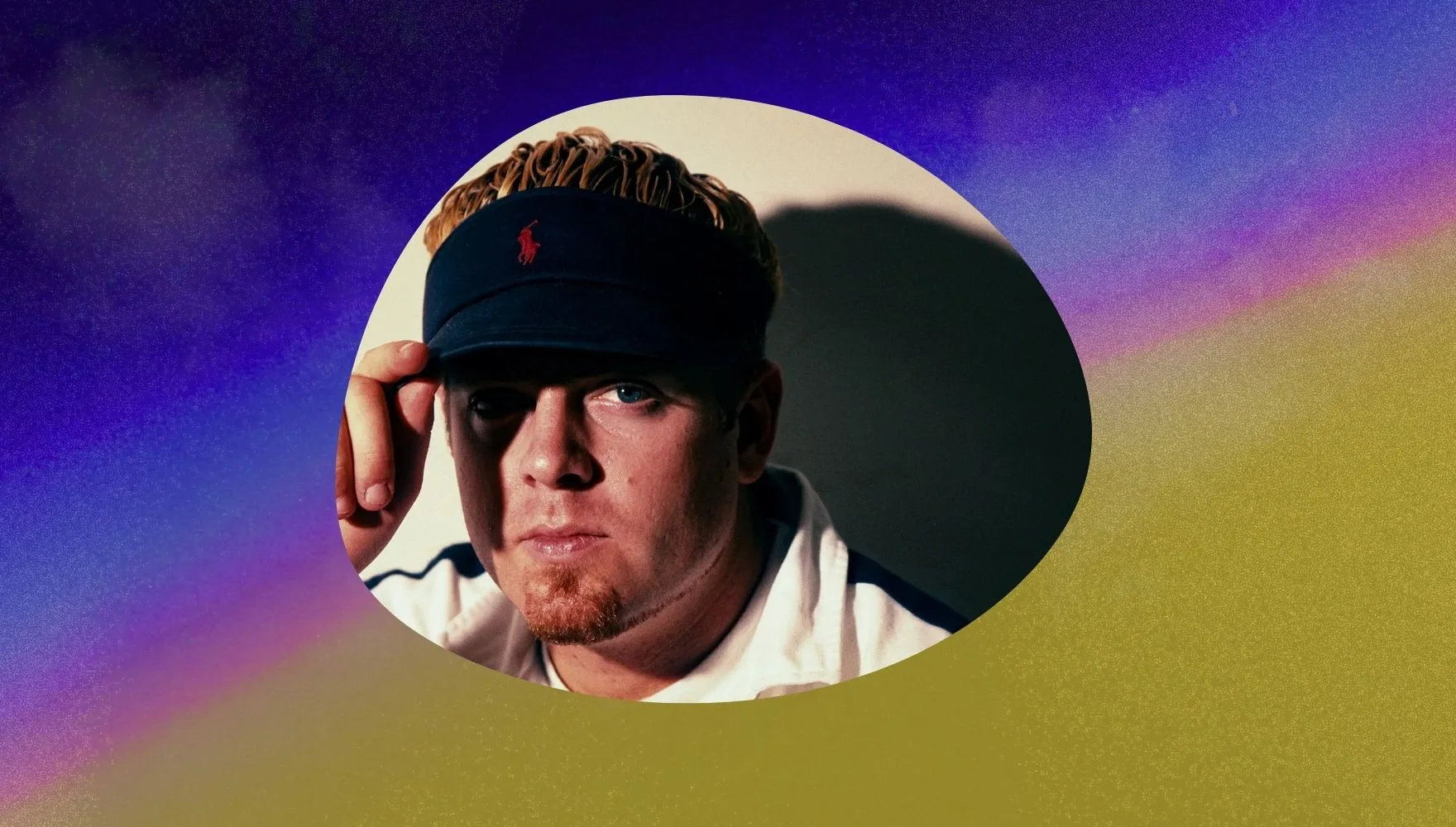
Niall is joined at our live listening event Listen Closely in the Big Romance by Cian Galvin aka Irish hip-hop producer and crate digger The Expert to discuss…
DJ Shadow – Endtroducing (1996)
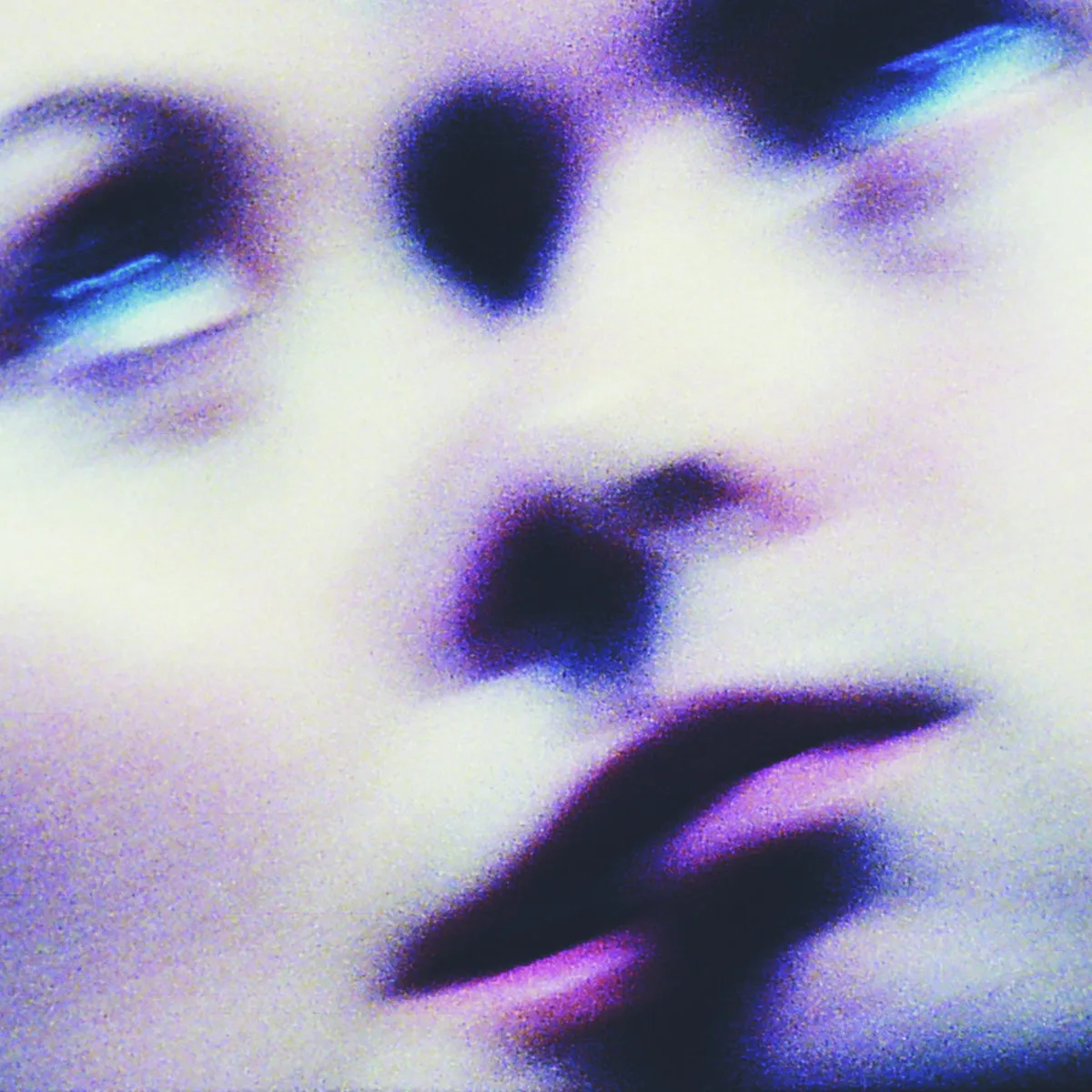
A towering achievement in sample-based plunderphonics, music arrangements and turntablist-lead production techniques, DJ Shadow’s 1996’s debut album Endtroducing remains one of the most evocative and singular classic albums of recent times. Entirely built of obscure crate-dug samples using an Akai MPC60 sampler, Endtroducing’s cinematic soundscapes finds a transportive space where emotionally resonant electronica and hip-hop meet – the middle ground between light and shadow. It is considered one of the best albums of all-time, and is certainly one of mine.
♡ Nialler9 is independent and reader-supported. Support us on Patreon →
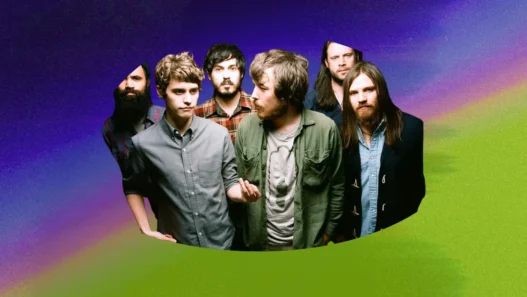
Our next listening party is Broken Social Scene’s You Forgot It In People next Wednesday – Come along!
Listen on Apple | Android | Patreon | Pocketcasts | CastBox | Stitcher | Spotify | RSS Feed | Pod.Link
The third instalment of our loosely titled Plunderphonics series for the Nialler9 Listening Party brought us to a record that, thirty years on, still doesn’t quite sound like anything else. DJ Shadow’s Endtroducing, released September 16th 1996 on Mo’ Wax, is a record built entirely from other records – and yet it sounds like nothing any of those records ever sounded like.
If you missed the night, the podcast recording is above. What follows is a bit of context and some of what we got into.
The trilogy so far
We’ve now done The Avalanches’ Since I Left You and J Dilla’s Donuts as part of this loose series. All three are sample-based records. All three feel like complete worlds unto themselves. There’s something about the constraint of working entirely within found sound that produces a particular kind of magic – you’re hearing music that was already forgotten being given an entirely new life, filtered through the taste and instincts of one person with a singular obsession.
Endtroducing is the most melancholic of the three. It’s not a party record or a rap record in any conventional sense. It’s a cinematic, introspective piece of work – breakbeats, jazz, psychedelia, hip-hop, all of it dissolved into something that feels like its own atmosphere.
The kid from Davis, California
Josh Davis grew up in Davis, California, then San Jose – both outside the main cultural centres, which is something he and Mo’ Wax founder James Lavelle bonded over immediately when they first spoke by phone. Lavelle had grown up in Oxford. Both felt like outsiders to the scenes they were drawn to.
Shadow was experimenting with a four-track recorder in high school and DJing on the campus radio station KDVS at UC Davis before he’d made a single release. By 1993 he was part of the Solesides underground hip-hop collective alongside Blackalicious, Lateef, and Lyrics Born. Lavelle found him through a B-side remix on a forgotten hip-hop promo, tracked him down through a friend at Tommy Boy Records, and told him: “Don’t worry about choruses and verses, just push your sound further.”
That’s more or less what he did.
The equipment
The entire album was made on an Akai MPC60 II, a pair of turntables, and an Alesis ADAT tape recorder that belonged to Dan the Automator. Shadow was 23 years old. The MPC could sample 2.5 seconds of stereo and store 13 seconds total. Everything on the record – the beats, the melodies, the percussion – had to be constructed within those limits.
Self-imposed limitation producing something that infinite digital possibilities probably couldn’t. There’s a reason we don’t really get records like this anymore, and it’s partly because the tools have become too open-ended. The seams and the constraints are part of what gives Endtroducing its particular texture.
The crates
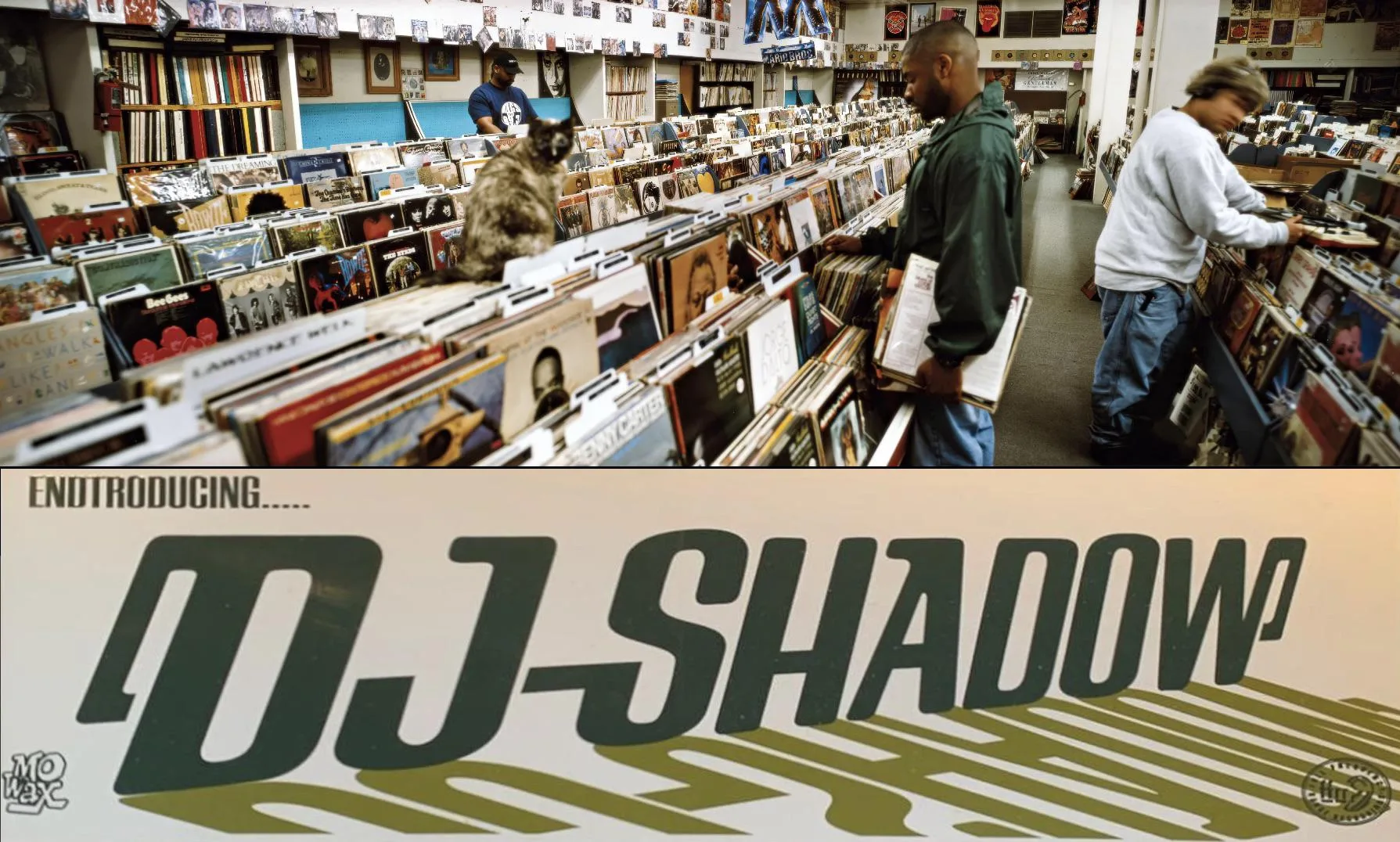
Shadow spent his days in the basement of Rare Records in Sacramento, a shop with records piled to the ceiling. He found a mummified bat down there once. The cover photograph, taken by B+, shows producer Chief Xcel and Lyrics Born (in a wig) in that same basement. It’s as good a visual summary of the album’s ethos as you’ll find anywhere.
He made it a rule to avoid sampling obvious or well-known material. The samples he pulled were largely from forgotten funk, soul, jazz, experimental, and sound library records – music that had no audience left and no commercial future. He rescued them. The liner notes credit everything, including the big clearance cases: Metallica, Björk, and the David Axelrod piano loop that anchors ‘Midnight in a Perfect World’. Lavelle handled the clearances. “The samples were pretty easy to clear,” he said. “It’s different when you’re sampling some Swedish drum break from 1970 than sampling James Brown.”
The album itself
Endtroducing feels like a place. Not a collection of tracks but a world you enter at the start and leave at the end, slightly altered. The drums on ‘Building Steam with a Grain of Salt’, the disorienting loop of ‘Changeling’, the controlled chaos of the second half of ‘Scatter Brain’, the three-part sweep of ‘Stem/Long Stem’, the ache of ‘Midnight in a Perfect World’. It’s not a happy record. Shadow said himself that feelings of self-doubt and depression came through in the music during production. You can hear it.
The Wire’s first ever review called it “a debut of melancholic mediocrity.” Melody Maker said “you need this record. You are incomplete without it.”
The bigger question
There’s a clip of Shadow in the Rare Records basement that gets used a lot in discussions about Endtroducing. He gestures around at the records and says: “Almost none of these artists still have a career. Ten years down the line, you’ll be in here.” It’s a bleak thought, but also the central one. Sampling asks us to reckon with music’s ephemerality – but it also offers a counter-argument. These records survived because Shadow found them. Their sounds are in the album. They’re still being heard.
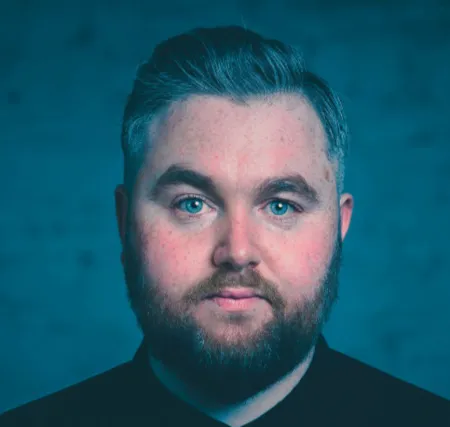
Niall Byrne is the founder of the most-influential Irish music site Nialler9, where he has been writing about music since 2005. He is the co-host of the Nialler9 Podcast and has written for the Irish Times, Irish Independent, Sunday Times, Totally Dublin, Cara Magazine, Red Bull and more. Niall is a DJ, co-founder of Lumo Club, event curator, Indie Sleaze club promoter, and producer of gigs and monthly listening parties & events in Dublin.