



Subvert is an online music marketplace structured as a cooperative – artists, labels, supporters and workers are all co-op members who collectively own and govern the platform.
What is Subvert?
I mentioned it briefly in the Qobuz piece last November as one of the emerging alternatives to the standard streaming model, but it deserves a proper look now that it’s actually open.
Artist, labels and supporters can sign up for ownership.
♡ Nialler9 is independent and reader-supported. Support us on Patreon →
It is not a streaming service trying to compete with Spotify. It is a marketplace where artists and labels sell digital music and merchandise directly to their audience – closer to Bandcamp in concept, but with one fundamental structural difference: nobody can sell it from under you.
Why now – and why does ownership matter?
In 2022, Bandcamp was sold to Epic Games in 2022, then flipped to Songtradr within a year, the platform that independent music had trusted as a safe alternative to streaming is still doing great things for artists but the ownership hot potato is a reminder of the caution when a community builds on someone else’s infrastructure.
Subvert emerged directly from that moment, framing itself as part of the platform cooperativism movement – the idea that online platforms should be owned and governed by their users and workers rather than outside investors.
The fee model: 0% platform fees
The most structurally interesting decision Subvert has made is its fee model: 0% platform fees. When a fan buys music, the full purchase price goes to the artist. At checkout, buyers see optional contribution amounts to fund the platform – 5%, 10%, 15%, 20%, or nothing at all.
The bet is that music fans who have chosen to use an artist-owned platform will voluntarily contribute to keeping it running, in the same way GoFundMe’s voluntary tip model ended up generating more than its previous mandatory fee structure.
By September 2025, more than 1,000 record labels had joined before launch, including Warp Records, Polyvinyl and Thrill Jockey, with membership spanning 75 countries. As of launch, more than 14,000 artists, 2,200 labels, and 2,000 supporters have joined as co-owners.
The problem it’s trying to solve
As covered previously, Spotify’s royalty rates remain among the lowest of any major platform, requiring tracks to reach 1,000 streams per year before they qualify for recorded music royalties at all – a threshold that effectively locks out experimental, niche and early-career artists from the royalty pool entirely.
The platform’s Discovery Mode allows artists to access certain playlist contexts in exchange for accepting reduced royalties. Meanwhile AI-generated music floods the catalogue with no labelling. The incentives are structurally misaligned with the interests of the people who actually make music.
Subvert doesn’t fix streaming – it’s not trying to. It fixes the ownership problem. There is no outside buyer who can acquire it and change the rules. No investor pressuring the team to maximise extraction. No sudden policy changes that prioritize a new revenue stream over artist needs. The cooperative structure makes those outcomes legally difficult rather than just philosophically undesirable.
The long game
The Mozilla Foundation has characterised Subvert as part of a “post-naive” generation of internet builders who prioritise structural alternatives to venture-capital-owned platforms.
The founding team visited Mondragón – the Basque worker cooperative federation – as a reference point for the long-term vision. Their roadmap stretches to 2075, which is either hubristic or exactly the right way to think about building infrastructure for music.
It is early. The catalogue is small relative to Bandcamp’s established marketplace and the discovery layer is limited. Whether the voluntary contribution model sustains a platform at scale is an open question – Subvert has committed to publicly evaluating whether the model is sustainable this year and communicating the results transparently. That transparency is itself notable.
Worth signing up to, worth buying music on, and worth keeping an eye on? Absolutely.
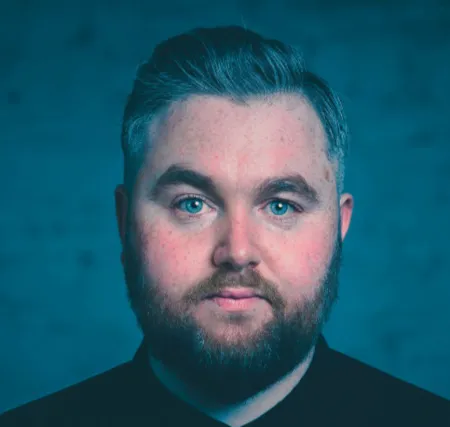
Niall Byrne is the founder of the most-influential Irish music site Nialler9, where he has been writing about music since 2005. He is the co-host of the Nialler9 Podcast and has written for the Irish Times, Irish Independent, Sunday Times, Totally Dublin, Cara Magazine, Red Bull and more. Niall is a DJ, co-founder of Lumo Club, event curator, Indie Sleaze club promoter, and producer of gigs and monthly listening parties & events in Dublin.