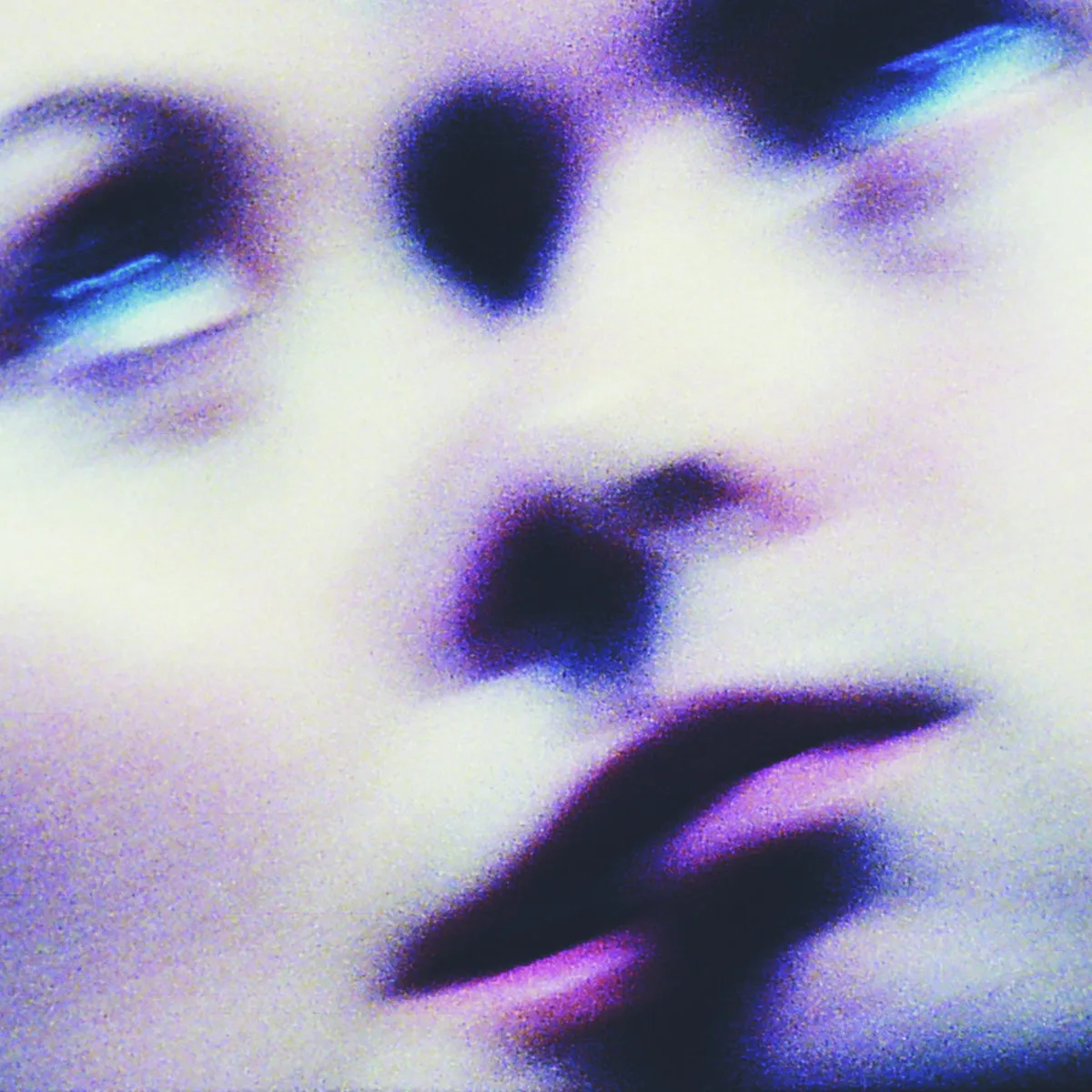



The Scottish duo’s 1998 debut album is the subject of thisListen Closely podcast.
Reposting this ahead of the release of Inferno, the first Boards Of Canada album in 13 years.
Boards Of Canada’s debut album Music Has The Right To Children on Warp Records/SKAM is a modern classic, a highly evocative collection of music, operating like a fading childhood memory, a creeping nostalgic collage of analogue electronic music, samples from public service broadcasting programming, with inspirations from to hip-hop beats, ambient techno and psychedelia.
Join Niall and Andrea to discuss the liminal legacy of Music Has The Right To Children, and discover how library music, Sesame Street and nature documentaries all inform the album, and we chat about the album’s childhood nostalgia, and its preoccupation with memory.

♡ Nialler9 is independent and reader-supported. Support us on Patreon →
Listen to this episode or subscribe in your favourite podcast app:
Listen on Apple | Android | ACAST | Patreon | Pocketcasts | CastBox | Stitcher | Spotify | RSS Feed
Show notes
- Songs played on the Nialler9 Podcast Spotify Playlist
- Shout out to Bocpages for the interview quotes.
Follow Nialler9 on Insta | Twitter | Youtube | Spotify
The Scottish electronic duo’s 1998 debut is one of those records that burrows into your brain and stays there – a fading childhood memory you never actually had.
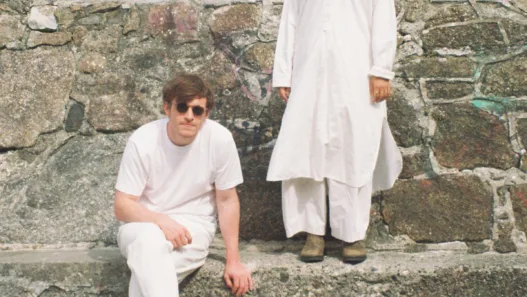
Boards Of Canada are brothers Michael Sandison (b.1971) and Marcus Eoin (b.1973), working out of the outer hinterlands of Edinburgh in Scotland. That they were siblings wasn’t publicly confirmed until a Pitchfork interview in 2005 – they deliberately kept it quiet, not wanting to be lumped in with fraternal electronic acts like Orbital.
The enigmatic reputation is partly earned, partly myth. They have played live and given interviews, but their music does the heavy lifting in keeping the mystery alive.
Like many of their Warp labelmates – most notably Aphex Twin – the brothers were deep into music-making long before anyone was listening. From as far back as 1981, they were mixing synthesizers with cassette recordings of shortwave radio, absorbing arcade videogames, sci-fi paranoia and TV soundtracks of the era: The Six Million Dollar Man, films like The Andromeda Strain. They made home-made movies on Super-8 cine film and produced their own soundtracks for them.
New-wave pop was in the mix too – Devo and The Human League specifically. The family relocated several times between northern Scotland, London and Alberta in Canada before Mike was ten. By 1984, aged thirteen, he was already visiting a local recording studio making rough demos, and the pair were producing structured songs using borrowed tape machines, analogue synths and live drums, alongside abstract collages of found sounds from radio and TV.
In the late 80s they produced cassettes and gave them to friends and family before reportedly destroying the tapes but fragments of the music survived. Marcus later went on to study Artificial Intelligence at college, something that fed directly into how they think about music and numbers.
Their studio became a gathering point for what they called Hexagon Sun – late-night outdoor parties in the Scottish countryside, with bonfires, electronic music, processed television themes, films and reversed speech tapes. These became known as Redmoon nights.
Their first proper release came in 1996 – the Hi Scores EP on Skam, which came about after Sean Booth of Autechre heard the music and made the introduction. Hi Scores featured tracks that would be refined for MHTRTC and established their sound immediately – warped, wobbly and utterly distinctive. From there, they began corresponding with Warp Records, leading to the joint Skam/Warp release of Music Has The Right To Children in April 1998. They were 27 and 26 years old.
About the name
Boards Of Canada takes its name from the 16mm educational documentaries made by the National Film Board of Canada, which the brothers encountered in the 80s. Fragments of those films’ audio tracks became integral to this album – an anchor point for the whole nostalgic project.
The album
Music Has The Right To Children is 18 tracks over 71 minutes. The title is a deliberate flip of a phrase they encountered – “Children Have The Right To Music” – turned inside out.
The album doubles down on the more unsettling and dissonant aspects of their earlier sound: analogue synths, sampled speech of children drawn from National Film Board of Canada films and unlikely sources including Sesame Street. It was analogue music in a CD world, made at a time when electronic music was barrelling forward while Boards Of Canada were looking deliberately back.
The phrase that sums it up best is Simon Reynolds’ – “decayed media music.” A bittersweet attraction to the bygone. As the duo told NME in 1998, it was about capturing “an image of something you can’t quite remember, but that sounds like it should be familiar.” Polaroid memories. Fading photographs.
Influences and the past inside the present
The band has cited Devo, Wendy Carlos, DAF, TV and film soundtracks, Jeff Wayne, Julian Cope, My Bloody Valentine, 1980s pop music and Seefeel as touchstones – though you wouldn’t necessarily hear direct lines to any of them. It’s more the accumulation of years of listening than direct quotation.
Central to the record is what they described in a 1998 Virgin Megaweb interview as the echo of childhood TV – the melodies that stay in your head whether you want them to or not. They said it was a stronger influence than most music they’d listened to. That emotional directness is what makes the album as accessible as it is uncanny – their melodic instinct is strong no matter how hazy the surrounding atmosphere gets.
Michael Sandison told Jockey Slut in 1998: “It’s easier to affect people emotionally if you keep things simple. The important thing is that you can whistle our tunes.” Marcus added: “I think a lot of it is trying to capture a nostalgic feeling buried somewhere in our minds. We are nostalgic people trying to get back moments from our pasts.”
BOC embody the phrase from their later album Geogaddi, “the past inside the present,” but they also project an imagined future that never arrived – a parallel retro-future, a liminal place outside of time.
Library music and interludes
The interludes on this record matter as much as the full tracks. Whimsical musical phrases that underscore the liminal quality of the whole thing. Radiophonic workshop music, public service broadcasting underscore, library music – utilitarian by nature but time-coded and instantly nostalgic in the way all library music is. As Sandison put it: “The spaces in between the music you’re supposed to listen to. That’s where our interests lie. These melodies might only last a second at the end of a TV program but they are quietly more important to the public psyche than most pop music.”
Hauntology
Reynolds coined the term hauntology to describe the British strain of artists working with the ghosts of 60s and 70s television and media – and BOC are one of its defining examples. Their artificially faded and discoloured textures produce feelings you get from watching old home movies speckled with colour blotches, or leafing through a family photo album going autumnal yellow. Sandison told Pitchfork they achieved this by running elements through a defective tape recorder – in one case taking a melody played on whistles and bouncing it back and forward between the internal mics of two tape decks “until the sound started disappearing into hell. Like when you look at an image reflected within two mirrors forever, in the distance it gets darker and green.”
Memoradelia is another word that’s been used for it. Either way, it’s a specific and deeply affecting feeling – like witnessing the fading of your own memories.
The beats
The duo may have said the rhythms were “just a vehicle for carrying strange and beautiful melodies” but the beats on this record are doing serious work. They’re not crisp dance music 4/4s. These are somnambulist broken beats, seemingly constructed from the sound of snooker balls rattling off each other or sampled through tape machines, with an analogue warmth and decay all their own. You can hear hip-hop, electro, breaks and looped drum patterns throughout.
The shuffling squelch of ‘An Eagle In Your Mind’, the trip-hop sleepiness of ‘Rue The Whirl’, the ripped-paper IDM of ‘Pete Standing Alone’ – common to all of them is that these are not body beats. They’re dreamy metronome rhythms that let the mind wander along with the elongated melodies.
Songs
‘Telephasic Workshop’ is an early statement of intent – the insistent low-end paired with a bubbling, stuttering voice sample and a miasmic synth is both pleasing and vaguely dystopian, like it’s trying to tell you something subliminal. ‘Sixtyten’ doubles down on that unease, the beat more immediately possessive, those eerie synth sounds borrowed from the language of horror films, punctured by a dialogue sample that sounds like “you know it” – used like a vocal refrain in a hip-hop track.
Not everything is unsettling. ‘Turquoise Hexagon Sun’ – which appeared first on the Hi Scores EP – is pastoral and chilled out, those snooker ball beats rattling away in colour somewhere in the background.
‘Roygbiv’ is the duo’s most well-known track. The poppiest thing here at two minutes thirty seconds, near-demanding to be played again immediately. Sampling kids from Sesame Street, a beautiful reaching melody over a synth bassline – it’s their sound distilled into something close to a theme song. Perfection in miniature.
‘Rue The Whirl’ apparently came from having the studio window open during recording – Marcus noticed he could hear birdsong and realised it was fitting perfectly with the track, so they recorded it. ‘Aquarius’ is their most synesthetic track – percussive, psychedelic, orange in feel, a cumulative kind of communal warmth.
‘One Very Important Thought’ closes with a sample drawn from the end of an 80s adult film called Brief Affair.
Why it matters
All of this adds up to a highly evocative brain hug. Songs that fire the mind into conjuring memories – old, new, imagined. The record creates its own fully realised world, and recreates a version of childhood with the innocence not quite intact.
It’s not music of original origins but it has a highly original outcome. A restricted and boldly applied palette, subtly constructed – and one of the great electronic albums of the 90s.
Peel Session
Boards Of Canada recorded a session for the John Peel Show on Radio 1 in June 1998 and performed live during the recording. It was later released as an EP. The US version of the album, released on Matador, included ‘Happy Cycling’ as its closing track – later added to reissues of the Warp version, and a perfect coda to the record.
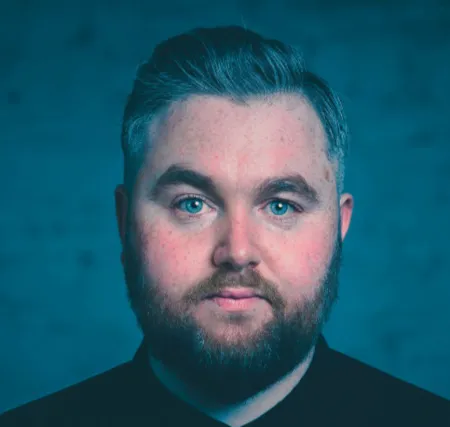
Niall Byrne is the founder of the most-influential Irish music site Nialler9, where he has been writing about music since 2005. He is the co-host of the Nialler9 Podcast and has written for the Irish Times, Irish Independent, Sunday Times, Totally Dublin, Cara Magazine, Red Bull and more. Niall is a DJ, co-founder of Lumo Club, event curator, Indie Sleaze club promoter, and producer of gigs and monthly listening parties & events in Dublin.