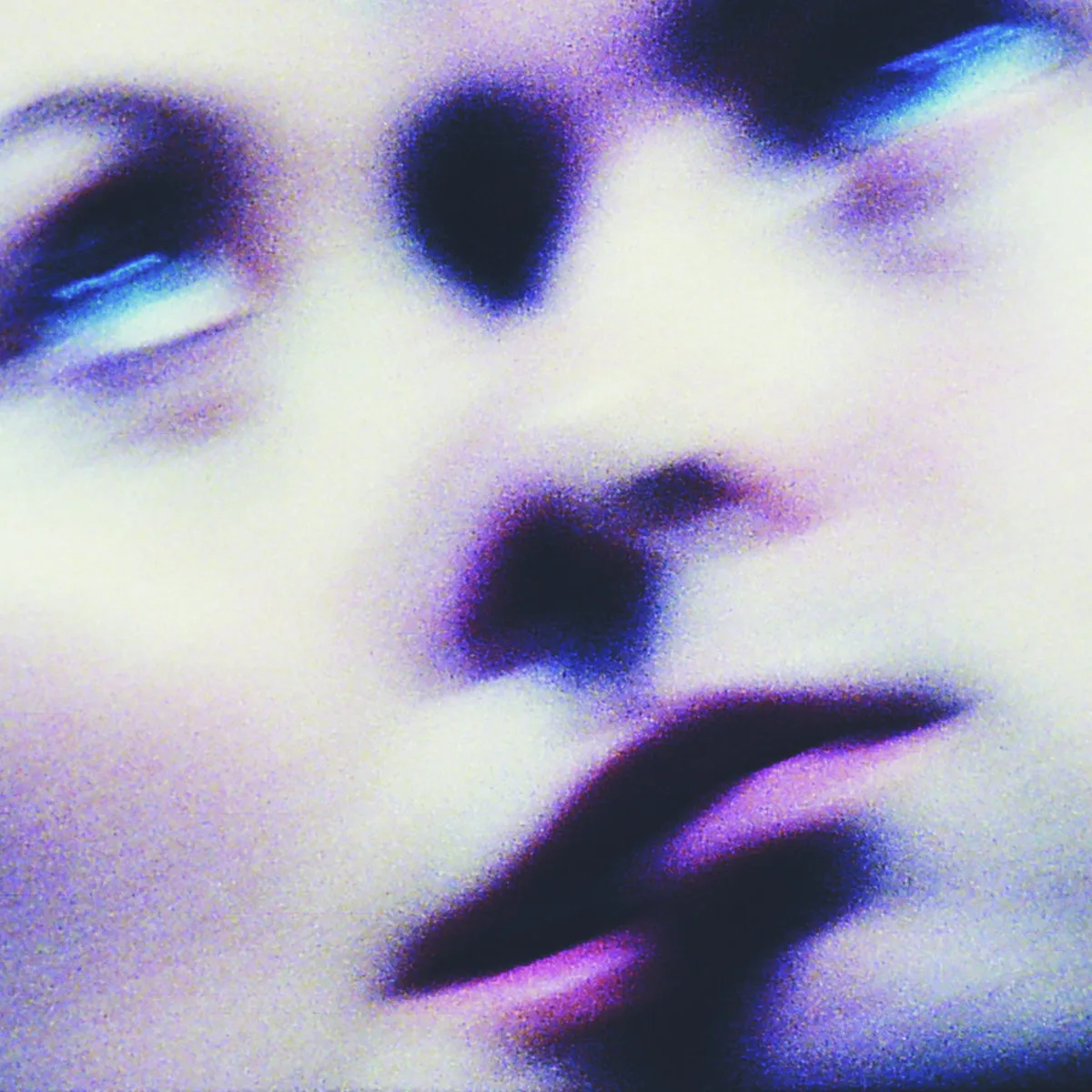

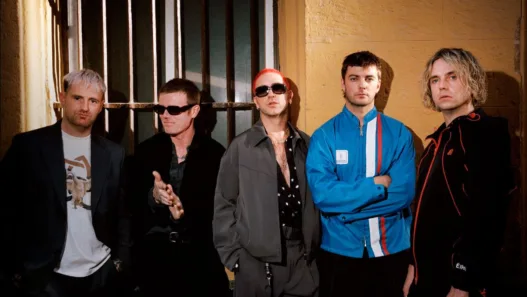

The Irish band’s 1995 album Heartworm is an Irish classic and has received the reissue treatment again.
Whipping Boy’s second album was one of the few Irish albums of the ’90s that I loved in my young teenage years – the songwriting and magnetic pull of the record easily jumped the youthful pig-ignorance hurdle of thinking most Irish music was lame.
In recent years, it’s clear to hear the mark of the band on some of Ireland’s recent rock success stories – Fontaines D.C. and The Murder Capital for example. You can hear their influence on the former’s ‘I Don’t Belong’ – with its jagged fatalistic indie-rock while James McGovern’s vocal often takes on a swallowing-whole similarity to Fearghal McKee’s, plus both singers share the commitment to singing in your voice with your accent about things that are actually happening, rather than the cultivated universality that passes for ambition in lesser bands.
Grian Chatten called it “lyrically brave and musically deft – it cuts through awkward territory to glean something spectacular.”
Heartworm is being repressed for a 2026 edition, and is already sold out on pre-order from Spindizzy after being announced yesterday.
♡ Nialler9 is independent and reader-supported. Support us on Patreon →
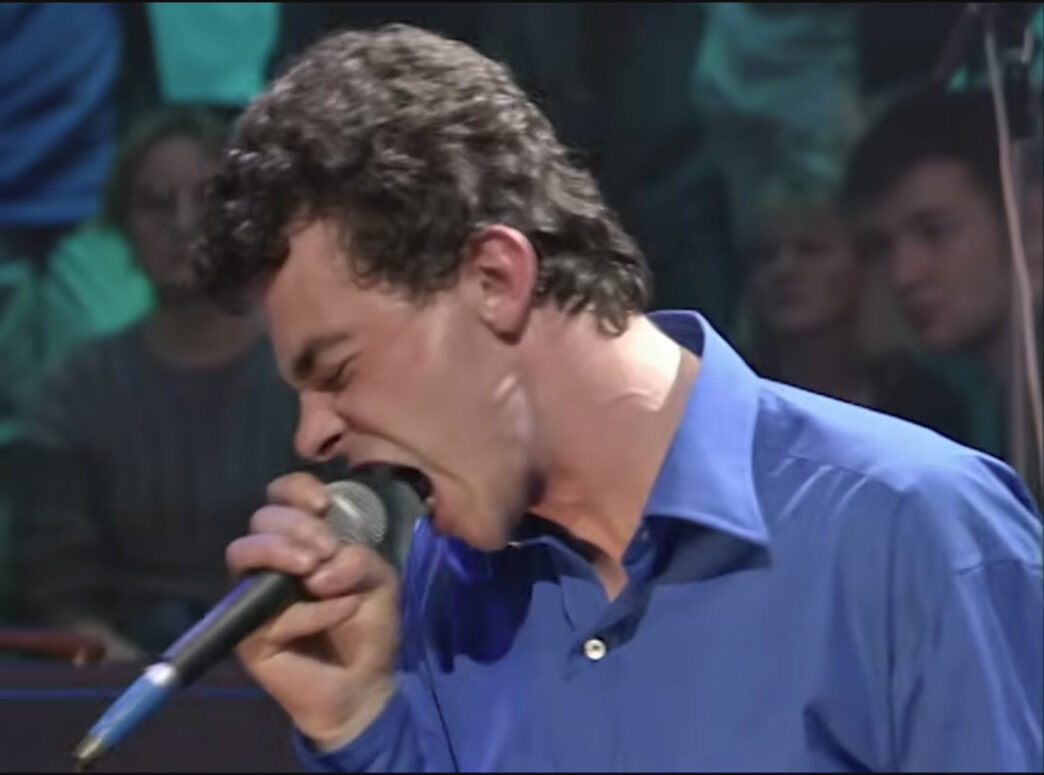
The band’s Later With Jools Holland performances from 1995 popped up on Youtube last week. In an age where we can watch last week’s Later performances on Youtube after the fact, seeing a full HD version of Whipping Boy performing their classic ‘We Don’t Need Nobody Else’ and ‘Twinkle’ was a revelation, with a besuited McKee brandishing a vocal mic intensity matching his anxious lyrical ruminations.
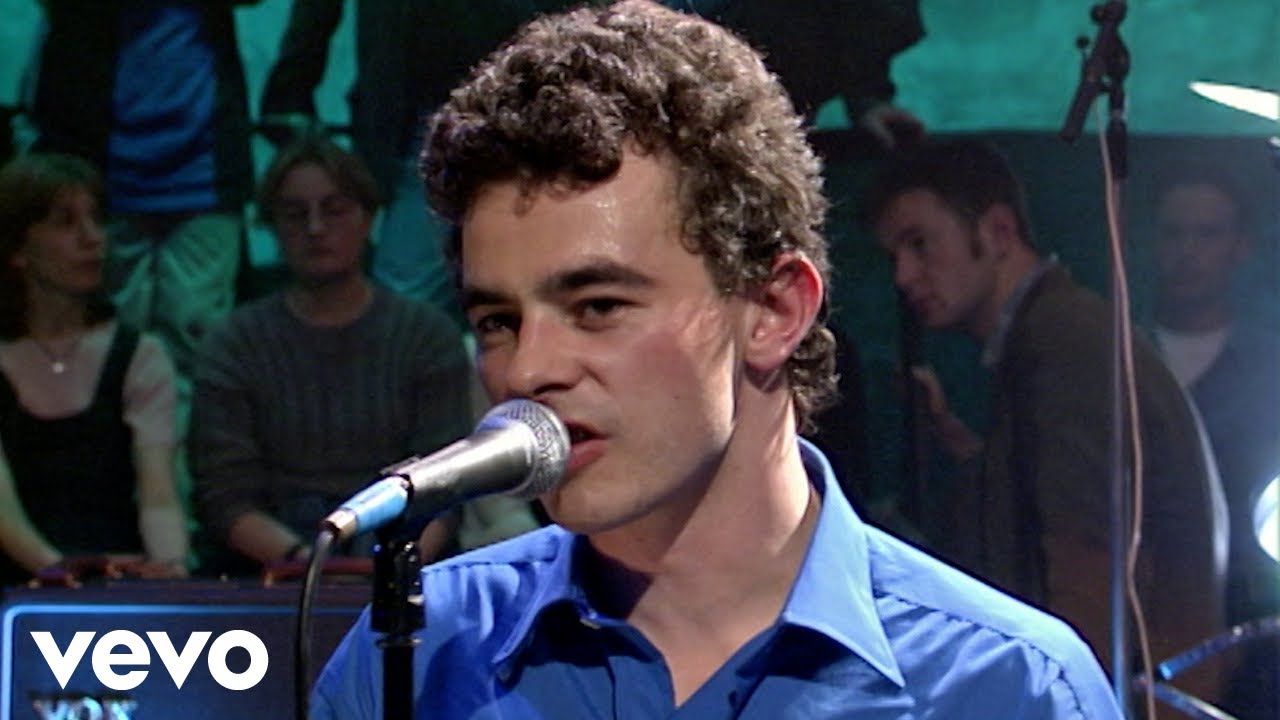
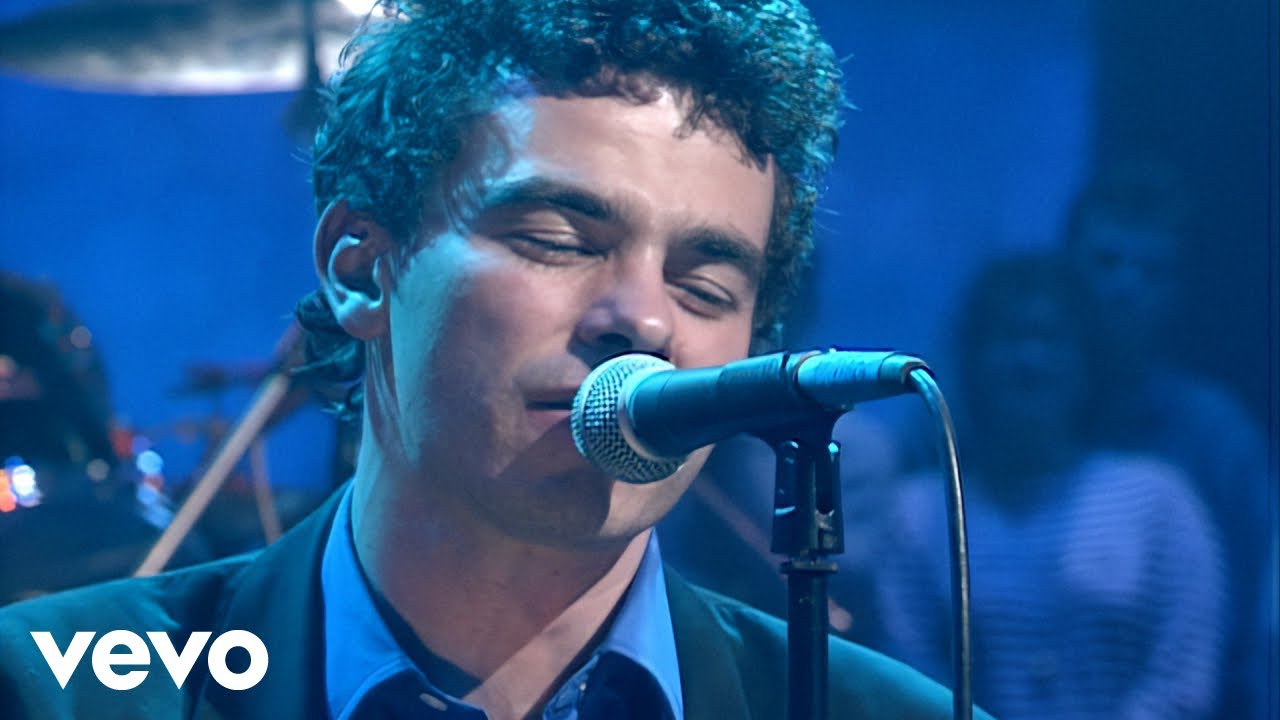
The performances are a reminder of a band at a peak that wasn’t completely recognised at the time, arriving on major label Columbia as it did just before Britpop consumed all in its path – (What’s The Story) Morning Glory came out three weeks before Heartworm.
Pete Paphides, who founded Needle Mythology and reissued the album in 2021, saw them play the Astoria in London in 1996 and described it as simultaneously one of the most exhilarating and heartbreaking gigs he’d ever attended. Exhilarating because the band were extraordinary. Heartbreaking because the venue was half-full and everyone in the room knew what that meant for a band on a major label.
When it didn’t replicate massive success that a major was seeing elsewhere – the band were dropped.
The album itself is one of the great Irish records – not just of the 1990s but of any era. Fearghal McKee’s vocals are like nothing before or since in Irish music: a wounded, half-crouching delivery that moves between speech and singing without ever losing either quality, pulling you in close and then saying something that makes you wish it hadn’t.
The band behind him – Paul Page on guitar, Myles McDonnell on bass, Colm Hassett on drums – are tighter and more dynamic than their post-grunge classification suggests. The quiet-loud architecture is there, but so is a sophistication in the arrangements that points toward Nick Cave and The Bad Seeds and The Afghan Whigs rather than anything happening in Camden.
‘We Don’t Need Nobody Else’ remains the centrepiece and the calling card – a mostly spoken-word piece that opens with a snipe at Bono’s Killiney portholes (“they built portholes for Bono so he could gaze out across the bay and sing about mountains”), moves through drug use and domestic violence and generational cruelty, and arrives at the title as defiance rather than celebration. It sounds like someone holding everything together by force of will alone. ‘When We Were Young’ is a piece of nostalgia so precise and so physical that it hurts. ‘The Honeymoon Is Over’ is a study in staying in something you know is finished. ‘Morning Rise’ closes the album as though the lights are being turned off in a room no one is coming back to.
McKee refuses the hard luck story. “We were fucking successful,” he told Steve Cummins in 2015. “Yeats always said never let a mood escape you. And that’s what we did with Heartworm, we never let a mood escape each other. We captured something beautiful; something true. That’s fucking success.” He’s right. And the subsequent 31 years have proved it.
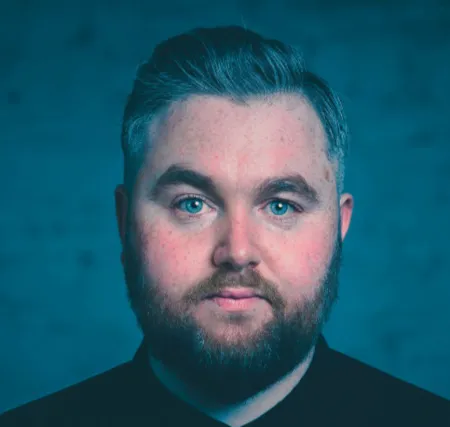
Niall Byrne is the founder of the most-influential Irish music site Nialler9, where he has been writing about music since 2005. He is the co-host of the Nialler9 Podcast and has written for the Irish Times, Irish Independent, Sunday Times, Totally Dublin, Cara Magazine, Red Bull and more. Niall is a DJ, co-founder of Lumo Club, event curator, Indie Sleaze club promoter, and producer of gigs and monthly listening parties & events in Dublin.